The rise of molecular glues: A new class of smart cancer drugs
View as a Web Page
News Medical
 
  Hematology Hematology logo  
  The latest hematology news from News Medical  
 Breakthrough immunotherapy approved for treatment of adults with aggressive blood cancerBreakthrough immunotherapy approved for treatment of adults with aggressive blood cancer
 
Adult patients with an aggressive form of leukemia will be able to receive a breakthrough immunotherapy, which was invented by UCL researchers, on the NHS within weeks following approval for use by the National Institute for Health and Care Excellence (NICE).
 
 
 The rise of molecular glues: A new class of smart cancer drugsThe rise of molecular glues: A new class of smart cancer drugs
 
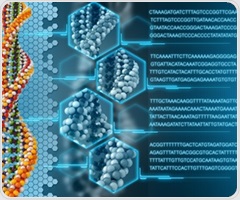
Molecular glues are revolutionizing cancer therapy by targeting undruggable proteins for degradation, enhancing precision medicine and drug discovery.
 
   Restless legs syndrome linked to higher Parkinson’s disease riskRestless legs syndrome linked to higher Parkinson’s disease risk
 
The study shows restless legs syndrome is associated with higher Parkinson's disease incidence, raising questions about treatment impacts on symptoms.
 
   Study elucidates how anti-amyloid antibody therapy lecanemab works in Alzheimer's diseaseStudy elucidates how anti-amyloid antibody therapy lecanemab works in Alzheimer's disease
 
Lecanemab, sold under the name Leqembi, is a monoclonal antibody therapy for Alzheimer's disease that clears toxic amyloid plaques and delays cognitive decline.
 
   Hematological and biochemical indicators show growing value in breast cancer managementHematological and biochemical indicators show growing value in breast cancer management
 
Breast cancer remains a predominant global health challenge for women, with late-stage diagnosis being a key contributor to its high mortality.
 
 Fanconi anemia patients show striking metabolic differences
 
Fanconi anemia patients show striking metabolic differencesExperts at Cincinnati Children's have uncovered striking metabolic differences in people with Fanconi anemia (FA), a rare genetic disorder that causes bone marrow failure and dramatically increases cancer risk.
 
 
 Experimental drug engasertib shows promise for treating inherited bleeding disorder
 
Experimental drug engasertib shows promise for treating inherited bleeding disorderHereditary hemorrhagic telangiectasia (HHT) is the second most common inherited bleeding disorder worldwide, affecting 1 in 3,800 persons.
 
 
 Breakthrough platform reveals the choreography of mammalian transcription
 
Breakthrough platform reveals the choreography of mammalian transcriptionLife's instructions are written in DNA, but it is the enzyme RNA polymerase II (Pol II) that reads the script, transcribing RNA in eukaryotic cells and eventually giving rise to proteins.
 
 
 New consortium aims to fast-track breakthroughs against follicular lymphoma
 
New consortium aims to fast-track breakthroughs against follicular lymphomaFollicular lymphoma (FL) is the second most frequent subtype of non-Hodgkin lymphoma, a cancer of the immune system. Although the disease is typically incurable, many cases progress slowly and do not require immediate treatment.
 
 
 New investment aims to accelerate treatments for low-grade brain tumors
 
New investment aims to accelerate treatments for low-grade brain tumorsResearchers focused on accelerating and testing new treatments for low-grade brain tumors are set to receive a transformative £2.8 million to drive their future work.
 
 
 Why soybean oil may fuel weight gain
 
Why soybean oil may fuel weight gainResearchers investigate how soybean oil may disrupt fat metabolism to potentially increase the risk of obesity.
 
 
 Intravenous iron shows safe and beneficial outcomes for patients with bacterial infection and anemia
 
Intravenous iron shows safe and beneficial outcomes for patients with bacterial infection and anemiaTreatment with intravenous (IV) iron significantly improved survival and increased hemoglobin levels in patients with iron-deficiency anemia who were hospitalized for an acute bacterial infection, according to an analysis of data from more than 85,000 patients.
 
 
 Urine cfDNA patterns emerge as a promising tool for diagnosing bladder cancer
 
Urine cfDNA patterns emerge as a promising tool for diagnosing bladder cancerResearchers have discovered that analyzing specific patterns of cell-free DNA (cfDNA) fragmentation in a simple urine sample can effectively diagnose and stage bladder cancer, offering a much-needed alternative to invasive procedures like cystoscopies.
 
 
 A new generation of AML treatments brings hope for better survival
 
A new generation of AML treatments brings hope for better survivalA new generation of targeted treatments and gentler chemotherapy options for older adults with a new diagnosis of acute myeloid leukemia (AML) is driving better survival and cure rates.
 
 
 Fixed-duration therapy works as effectively as continuous treatment for chronic lymphocytic leukemia
 
Fixed-duration therapy works as effectively as continuous treatment for chronic lymphocytic leukemiaAccording to a new trial, patients with chronic lymphocytic leukemia (CLL) show comparable outcomes whether they receive a single-agent treatment indefinitely or a combination treatment for a fixed period of time.
 
 
 Lack of dietary iron weakens immune response in the lungs
 
Researchers at Columbia University have found that a lack of dietary iron early in life can prevent immune cells in the lung from making a key protein that helps fight viral infections, even after iron levels are restored.
 
 
 New medication offers potential treatment for patients with deadliest form of blood cancer
 
Biomedical research that began at the University of Virginia School of Medicine has yielded a much-needed new treatment for patients with the deadliest form of blood cancer.
 
 
 Study demonstrates a safer strategy for allogeneic stem cell transplants
 
In preclinical studies, researchers found that priming the immune system with a Treg-expanding therapy before stem cell transplant boosted survival, protected vital organs, and promoted a balanced gut microbiome-offering hope for safer, more effective treatment of blood cancers.
 
 
 Scientists reverse aging in blood stem cells by restoring lysosome function
 
Researchers at the Icahn School of Medicine at Mount Sinai have discovered how to reverse aging in blood-forming stem cells in mice by correcting defects in the stem cell's lysosomes.
 
 
 FOLFIRINOX shows promise as a second-line option for advanced biliary tract cancer
 
Biliary tract cancers, including intrahepatic, perihilar, and extrahepatic cholangiocarcinoma and gallbladder cancer, are among the most aggressive gastrointestinal malignancies.
 
Facebook X Instagram LinkedIn Vimeo
Why did you receive this email?
You are receiving this email because you subscribed to updates from AZoNetwork UK Ltd. on one of our websites and requested to be notified of additional information.

Unsubscribe or Update Notification Preferences

Contact | About | Privacy Policy

- - - - - -

Registered Address:
AZoNetwork UK Ltd., NEO, 9 Charlotte St, Manchester, M1 4ET, UK

Manchester | Sydney | Boston

Copyright © 2000-2025