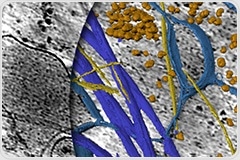
| |  This study shows that vacancy-engineered MoS₂ nanoflowers drive mitochondrial biogenesis in human mesenchymal stem cells by activating SIRT1–PGC-1α signaling and reducing oxidative stress. These treated cells transfer more functional mitochondria to injured recipient cells, restoring energy metabolism and redox balance in multiple in vitro models. This study shows that vacancy-engineered MoS₂ nanoflowers drive mitochondrial biogenesis in human mesenchymal stem cells by activating SIRT1–PGC-1α signaling and reducing oxidative stress. These treated cells transfer more functional mitochondria to injured recipient cells, restoring energy metabolism and redox balance in multiple in vitro models. | |
|
| | 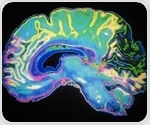 A stressful year leads to anxiety. Lasting isolation gives way to depression. An old trauma nags until it becomes paralyzing. A stressful year leads to anxiety. Lasting isolation gives way to depression. An old trauma nags until it becomes paralyzing. | |
|
| | 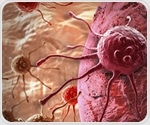 Oncologists have achieved some immune system responses in patients with pancreatic cancers using various combinations of vaccines and immune checkpoint inhibitor drugs, but it's not always clear which therapy is inducing what type of response. Oncologists have achieved some immune system responses in patients with pancreatic cancers using various combinations of vaccines and immune checkpoint inhibitor drugs, but it's not always clear which therapy is inducing what type of response. | |
|
| |  Improvements in public health have allowed humankind to survive to older ages than ever before, but, for many people, these added golden years are not spent in good health. Improvements in public health have allowed humankind to survive to older ages than ever before, but, for many people, these added golden years are not spent in good health. | |
|
| |  Every second, millions of cells in your body divide in two. In the space of an hour, they duplicate their DNA and grow a web of protein fibers around it called a spindle. Every second, millions of cells in your body divide in two. In the space of an hour, they duplicate their DNA and grow a web of protein fibers around it called a spindle. | |
|
| |  The most diverse functions of a cell in the human body – from cell division and differentiation to motility and programmed cell death – are controlled by signaling proteins within the cell. This includes the immune system and the reading of genetic information. The most diverse functions of a cell in the human body – from cell division and differentiation to motility and programmed cell death – are controlled by signaling proteins within the cell. This includes the immune system and the reading of genetic information. | |
|
| |  For millions living with nerve pain, even a light touch can feel unbearable. Scientists have long suspected that damaged nerve cells falter because their energy factories known as mitochondria don't function properly. For millions living with nerve pain, even a light touch can feel unbearable. Scientists have long suspected that damaged nerve cells falter because their energy factories known as mitochondria don't function properly. | |
|
| |  In a major scientific breakthrough, researchers from Monash University and the Lions Eye Institute have discovered a tissue protein that acts as a central 'traffic controller' for immune cells and can be hijacked by a virus to weaken immune responses. In a major scientific breakthrough, researchers from Monash University and the Lions Eye Institute have discovered a tissue protein that acts as a central 'traffic controller' for immune cells and can be hijacked by a virus to weaken immune responses. | |
|
| | 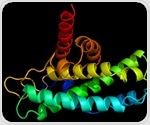 Unraveling the mysteries of how biological organisms function begins with understanding the molecular interactions within and across large cell populations. Unraveling the mysteries of how biological organisms function begins with understanding the molecular interactions within and across large cell populations. | |
|
| |  Although DNA is tightly packed and safeguarded within the cell nucleus, it remains continually at risk of damage from normal metabolic activity and external stressors such as radiation and chemical agents. Although DNA is tightly packed and safeguarded within the cell nucleus, it remains continually at risk of damage from normal metabolic activity and external stressors such as radiation and chemical agents. | |