Introduction
What is cell-cultured fat?
The functional role of fat in food
How cell-cultured fat is produced
Functional advantages in food systems
Sustainability and ethical considerations
Challenges and limitations
References
Further reading
Cell-cultured fat is an emerging cellular agriculture technology that produces animal adipose tissue from cultured cells to replicate the flavor, texture, and nutritional properties of conventional meat fats. It offers a promising functional ingredient for improving plant-based and hybrid meat products while potentially reducing environmental impacts and reliance on livestock production.
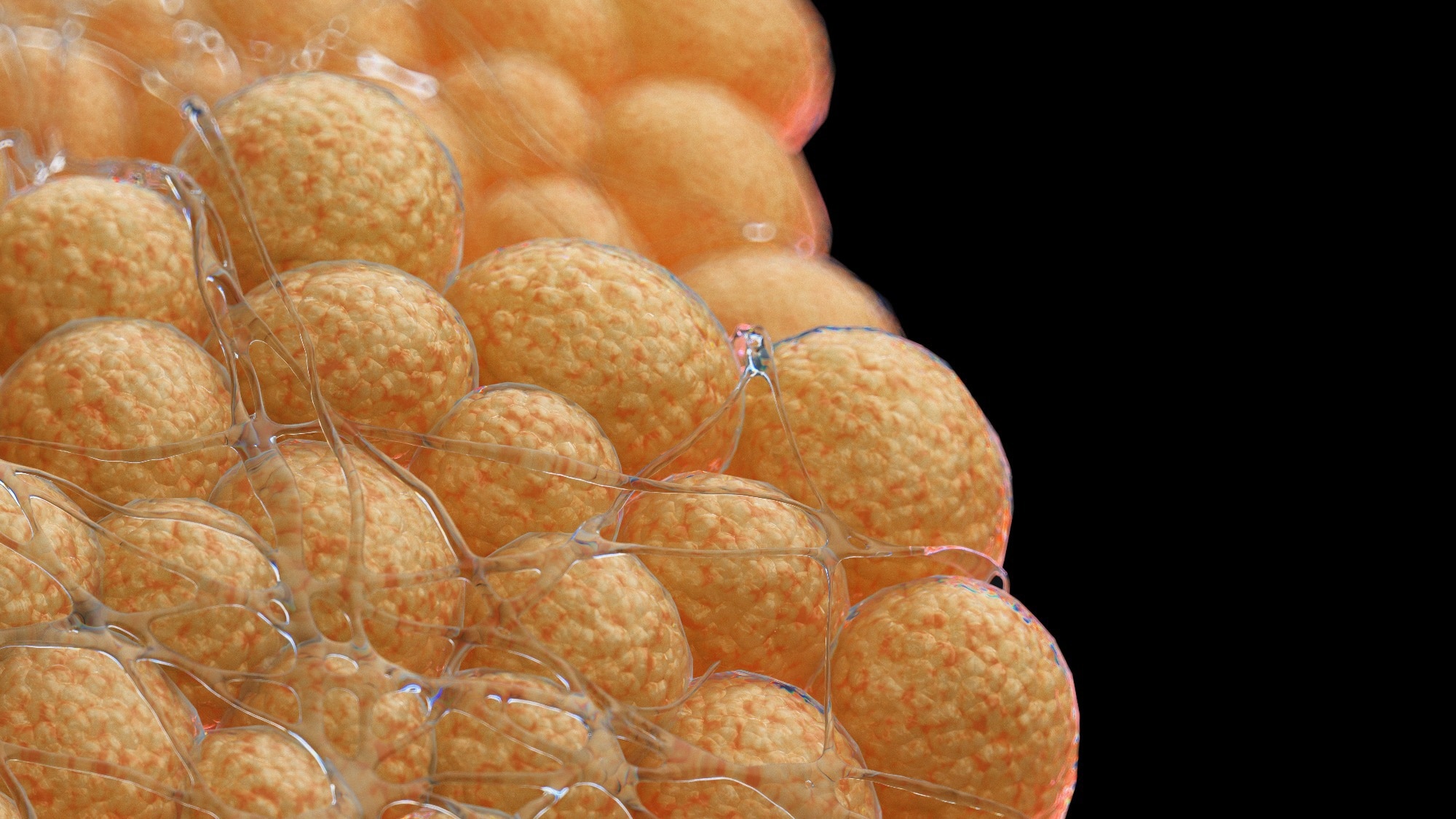 Image Credit: 3dMediSphere / Shutterstock.com
Introduction
Recent interest in substituting meat products with vegetarian or vegan alternatives has led to renewed scientific efforts to identify non-animal-derived ingredients that can mimic the sensory attributes of meat without its ecological or ethical concerns. This article examines how cultivated fat has the potential to bridge the gap between plant-based analogs and authentic animal tissue. Within the broader field of cellular agriculture, cultured fat is increasingly being investigated as a functional ingredient that can improve the sensory properties of alternative proteins and enable hybrid meat products that combine plant ingredients with cultured animal cells.1,8,9
What is cell-cultured fat?
Cell-cultured fat is a product of cellular agriculture created by expanding and differentiating animal fat cells outside of a living organism. Unlike traditional animal fat, which is typically obtained through hunting, animal husbandry, and slaughter, cultivated fat is produced in bioreactors, wherein animal-derived cells are cultured under carefully controlled environmental conditions and supplied with nutrient-rich growth media that support proliferation and differentiation.1,9
The cell-cultured fat process involves adipogenesis, during which precursor cells like mesenchymal stem cells or pre-adipocytes undergo terminal differentiation into mature adipocytes capable of storing triacylglycerols. During this process, lipid droplets accumulate within the cells and can later be aggregated into macroscale fat tissue suitable for incorporation into food products.3 Whereas conventional animal fat is a complex tissue containing connective structures and blood vessels, plant-based fats are typically refined oils that lack the cellular structure and thermal stability required for authentic meat experiences.1
The functional role of fat in food
While traditionally viewed as a dense and sometimes unwanted source of calories, fat is largely responsible for the sensory properties of meat, including flavor release, tenderness, and juiciness.2
During cooking, lipid oxidation reactions and Maillard chemistry occur simultaneously, producing meat-specific volatile organic compounds (VOCs) that contribute to the characteristic aroma of cooked meat. During this high-temperature and non-enzymatic chemical reaction between reducing sugars and amino acids, the characteristic aroma of grilled or fried meat is released.2
In addition to taste, fat, irrespective of its source, serves critical nutritional and structural functions as a carrier for fat-soluble vitamins A, D, E, and K. Notably, plant- and animal-based fats differ significantly in their contributions to human palatability.3 Animal fats possess distinct melting profiles and lipid compositions that strongly influence mouthfeel, flavor release, and juiciness in cooked meat products.2,3
For example, modern plant-based oils often lack the specific melt-point profiles of animal lipids and, as a result, fail to encapsulate animal-associated flavors effectively. Compared with cultivated fat, cultivated fat provides a dense aggregation of lipid-laden cells that contribute to both the energy density/caloric modulation and the sensory attributes of conventional meat products.3
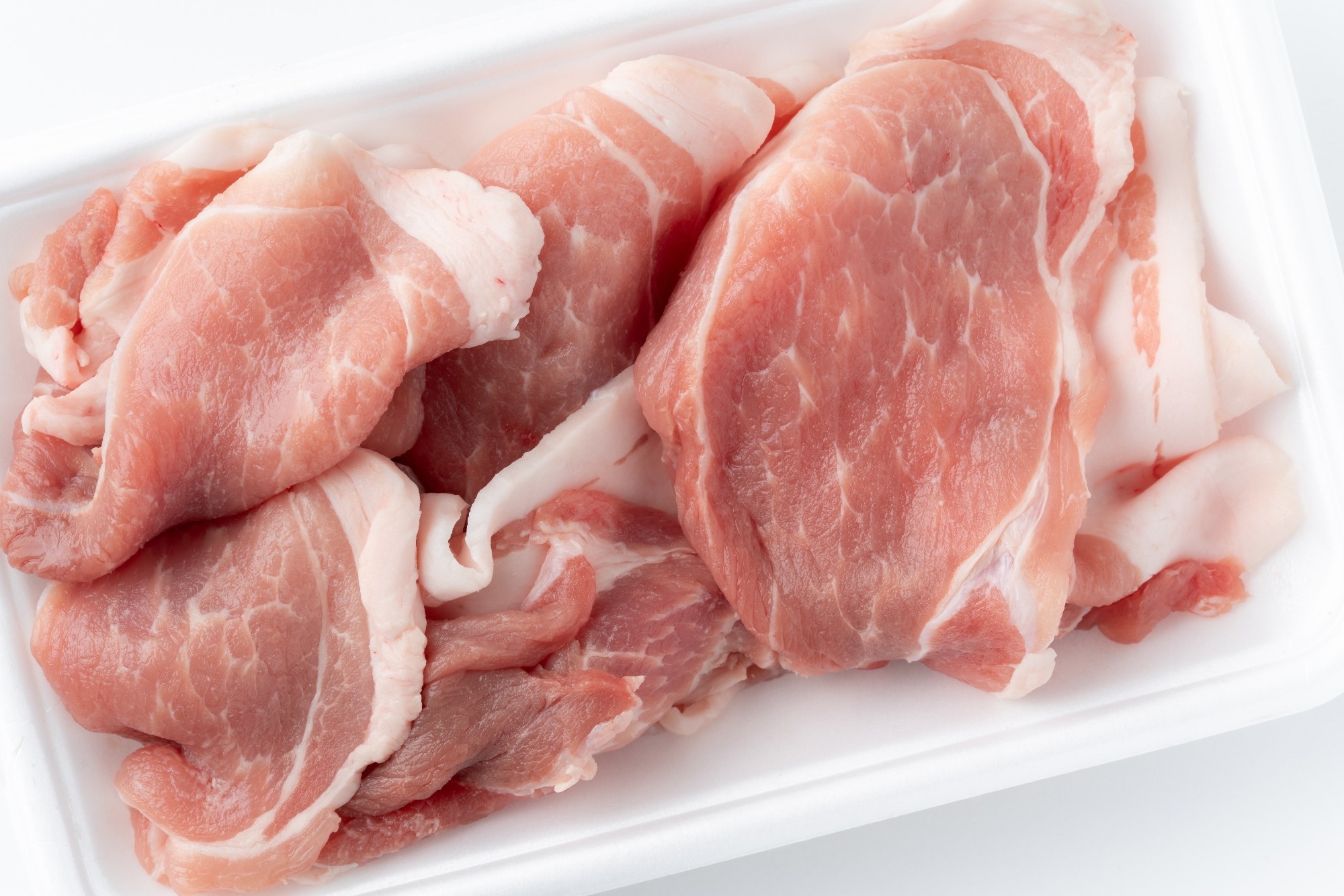 Image Credit: Hanasaki / Shutterstock.com
How cell-cultured fat is produced
Current cell-cultured fat production methodologies typically involve three steps, including cell source selection, growth media and scaffolding, as well as maturation and harvesting.
During cell source selection, manufacturers choose between primary adult progenitors and stem cells. Adipose-derived stem cells (ASCs) are frequently harvested from livestock biopsies because they are already committed to the adipogenic lineage.1 Dedifferentiated fat (DFAT) cells, which are mature adipocytes that have been reverted to a proliferative state, can also be used. Notably, DFAT cells exhibit high stability and can be expanded for over 50 passages while retaining the ability to accumulate intracellular lipids.1 Some production strategies also rely on immortalized cell lines to enable long-term expansion and consistent manufacturing.8
Early cell-cultured fat studies primarily used fetal bovine serum (FBS) as the growth media of choice. To ensure economic viability and safety, the industry is transitioning to serum-free media (SFM) that substitutes FBS with recombinant proteins and small molecules.4 This transition is considered essential because serum-based media are expensive, variable in composition, and raise ethical concerns associated with animal-derived inputs.8,9
Recently, a simplified one-step adipogenic protocol using only insulin and a peroxisome proliferator-activated receptor γ (PPARγ) agonist was found to significantly outperform traditional media by inducing differentiation across bovine and porcine species.4
The maturation and harvesting step involves inducing lipid droplet expansion within cultured cells until they reach a mature and unilocular or multilocular state. Thereafter, cells are removed from the bioreactor and prepared for further processing.3
Early attempts at cell-cultured fat production routinely encountered mass transport limitations due to the inability of oxygen to diffuse through dense 3D tissues or scaffolds larger than approximately 200 μm.3 To overcome this limitation, adipocytes are often grown in thin two-dimensional (2D) layers or on microcarriers. Scaffolds, edible hydrogels, or microcarrier systems are commonly used to increase surface area for cell attachment and improve nutrient and oxygen transport during large-scale culture.8,9
Thereafter, post-growth aggregation using binders like alginate or microbial transglutaminase facilitates bulk fat biomass production that can be processed into final ingredient forms without requiring the maintenance of a complex internal vasculature.3
Adipose Stem Cells Generation by Mature Adipocytes Dedifferentiation | Protocol Preview
Functional advantages in food systems
As compared to conventional livestock, wherein fat composition is determined by diet and genetics, cultivated cells can be manipulated to meet specific nutrient and sensory requirements through media supplementation. This enables researchers to tailor fatty acid composition, potentially increasing beneficial polyunsaturated fatty acids (PUFAs) or modifying lipid profiles to achieve desired nutritional characteristics.3
For example, supplementing culture media with soybean oil-based emulsions can dose-dependently increase alpha-linolenic acid concentration, thereby shifting the final product’s profile toward polyunsaturated fatty acids (PUFAs) that support cardiovascular health.3
The addition of precursor molecules such as thiamine-HCl or myoglobin during the final stages of culture can also modulate the aroma of heated fat, producing milky, nutty, or deep-fried scents.2 As a result, final products exhibit sensory attributes indistinguishable from those of traditional pork or beef fat. For this reason, cultured fat is often considered a key ingredient for improving flavor and mouthfeel in plant-based or hybrid meat alternatives.
Sustainability and ethical considerations
Environmental life cycle assessment (LCA) studies suggest that cultivated meat systems are significantly more resource-efficient than their industrial livestock production counterparts.6,7 Specifically, a novel cultivated burger patty generates 87% fewer greenhouse gas (GHG) emissions, requires 90% less land, and uses 96% less water than conventional beef.6
These results indicate that cellular agriculture technologies may help reduce the environmental footprint of protein production, though sustainability outcomes depend strongly on energy sources, production scale, and process efficiency.6,8 Cultivated fats further eliminate the need for large-scale slaughter and reduce reliance on industrial livestock systems, significantly benefiting animal welfare.1,6
Challenges and limitations
The high cost of cell-cultured fats limits their scalability and, as a result, their widespread adoption. For example, recombinant growth factors, which are an essential component of conventional cell culture media, are expensive and account for up to 99% of total production costs.8
Additional technical challenges include scaling bioreactor systems, improving cell proliferation rates, reducing culture media costs, and developing food-grade scaffolding materials suitable for large-scale manufacturing.8
Global regulatory and labeling further complicate the adoption of cultured foods. In the United States, the Food and Drug Administration (FDA) and the Department of Agriculture’s Food Safety and Inspection Service (USDA-FSIS) have established joint regulatory oversight; however, standardized labeling terms such as ‘cell-cultured’ or ‘cultivated’ are still being finalized to manage public perception and ensure consumer transparency.9
Food safety authorities have also highlighted potential microbiological and chemical hazards associated with cultured meat production, including contamination from culture media, equipment, or handling processes, as well as possible residues or by-products formed during cell culture.7
In India, the Food Safety and Standards Authority (FSSAI) currently classifies cultivated meat as a ‘non-specified food or ingredient’ or a ‘novel food’. Producers are required to undergo a mandatory safety evaluation and obtain specific approval before manufacturing or selling products.10
References
- Takahashi, H., Tanaka, R., Yoshida, A., et al. (2026). Cultivated meat fabrication: A review of the latest cell biology, bioprocess technology, and tissue engineering. Trends in Food Science & Technology 168. DOI: 10.1016/j.tifs.2025.105505. https://www.sciencedirect.com/science/article/pii/S0924224425006417
- Lew, E. T., Yuen, J. S. K., Zhang, K. L., et al. (2024). Chemical and sensory analyses of cultivated pork fat tissue as a flavor enhancer for meat alternatives. Scientific Reports 14(1). DOI: 10.1038/s41598-024-68247-4. https://www.nature.com/articles/s41598-024-68247-4
- Yuen, J. S. K., Saad, M. K., Xiang, N., et al. (2023). Aggregating in vitro-grown adipocytes to produce macroscale cell-cultured fat tissue with tunable lipid compositions for food applications. eLife 12. DOI: 10.7554/elife.82120. https://elifesciences.org/articles/82120.
- Mitić, R., Cantoni, F., Börlin, C. S., et al. (2023). A simplified and defined serum-free medium for cultivating fat across species. iScience 26(1); 105822. DOI: 10.1016/j.isci.2022.105822. https://www.sciencedirect.com/science/article/pii/S2589004222020958
- Hao, L. T., Lee, S., Hwang, D. S., et al. (2025). Self-Healing Scaffolding Technology with Strong, Reversible Interactions under Physiological Conditions for Engineering Marbled Cultured Meat. ACS Applied Materials & Interfaces 17(22); 31881-31897. DOI: 10.1021/acsami.5c03479. https://pubs.acs.org/doi/10.1021/acsami.5c03479
- Kim, S., Beier, A., Schreyer, H. B., & Bakshi, B. R. (2022). Environmental Life Cycle Assessment of a Novel Cultivated Meat Burger Patty in the United States. Sustainability 14(23); 16133. DOI: 10.3390/su142316133. https://www.mdpi.com/2071-1050/14/23/16133
- van der Grein, S. G., & Sijm, D. T. H. M. (2025). Advice from BuRO on the public health risks associated with offering cultured meat at tastings [JB]. Food Risk Assess Europe 3(4). DOI: 10.2903/fr.efsa.2025.FR-0071. https://efsa.onlinelibrary.wiley.com/doi/abs/10.2903/fr.efsa.2025.FR-0071
- Hwang, Y., Kim, S., Kim, C., et al. (2025). Survey on the Global Technological Status for Forecasting the Industrialization Timeline of Cultured Meat. Foods 14(24); 4222. DOI: 10.3390/foods14244222. https://www.mdpi.com/2304-8158/14/24/4222
- Gurel, M., et al. (2024). A narrative review: 3D bioprinting of cultured muscle meat and seafood products and its potential for the food industry. Trends in Food Science & Technology 152; 104670. DOI: 10.1016/j.tifs.2024.104670. https://www.sciencedirect.com/science/article/am/pii/S0924224424003467
- Mridul, A. (2024). India working on regulatory framework for cultivated meat & seafood. Green Queen. https://www.greenqueen.com.hk/india-cultivated-meat-lab-grown-seafood-regulatory-framework/. Accessed on 19 Feb. 26
Further Reading
Last Updated: Mar 9, 2026