Introduction
How does the gut microbiome change as we age?
The link between gut microbiome changes and inflammation
Gut microbiome and age-related health conditions
Can the gut microbiome be targeted to promote longevity?
From microbial shifts in later life to the distinctive gut communities of centenarians, researchers are investigating what the intestinal microbes reveal about how people age.
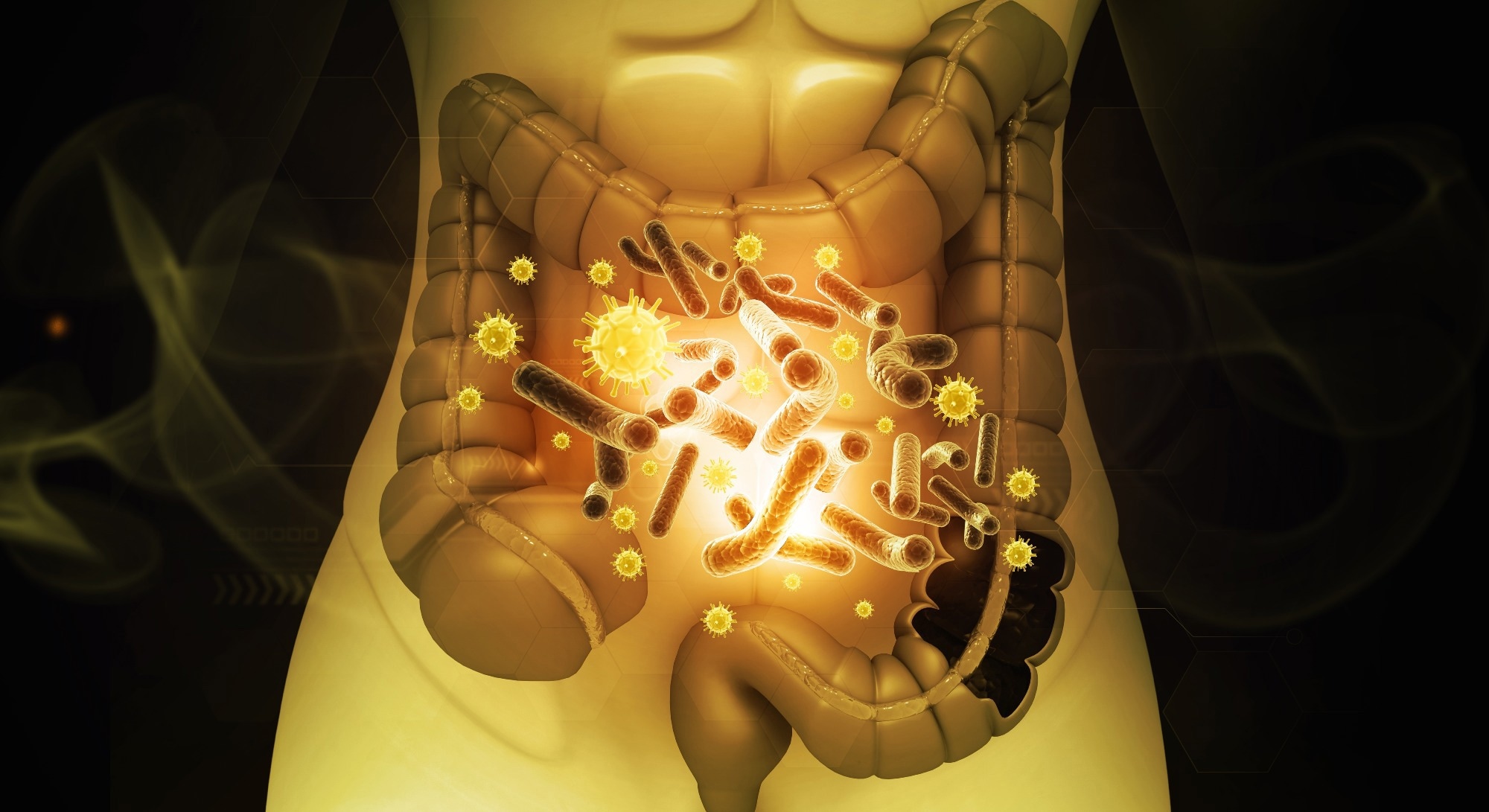 Image Credit: Explode / Shutterstock.com
Introduction
The gut microbiota comprises a diverse community of microorganisms that regulate metabolism, support immune function, preserve intestinal barrier integrity, and influence inflammatory responses throughout life. Disruptions in gut microbiome composition can alter microbial homeostasis, the balance of microbial activity within the gut, increase inflammation, and affect the risk of age-related diseases.2,3,4
Understanding how the gut microbiome changes with age requires examining both chronological age and health status, which can be associated differently with microbial diversity and function. Diet and lifestyle also influence these relationships.2,3,5
How does the gut microbiome change during aging?
Aging does not consistently reduce microbiome diversity. A systematic review reported greater diversity in many older groups, particularly the oldest adults, while lower diversity has been associated with frailty and poorer health.
Some studies report lower levels of beneficial microorganisms such as Faecalibacterium prausnitzii, Roseburia intestinalis, and Eubacterium rectale, which produce short-chain fatty acids (SCFAs) that help maintain intestinal health and regulate immune function. Dysbiosis, an alteration in microbial composition or function associated with impaired host health, can also involve increased abundance of potentially harmful microorganisms.2,3,4,5
Various aging-related factors can alter gut microbiome composition, including diet, medications like antibiotics, physical activity, lifestyle, and environmental factors. Aging also influences immune function and intestinal barrier integrity, creating conditions that can further alter the gut microbiome. For example, changes in the abundance of Bifidobacterium adolescentis and other Bifidobacterium species have been observed in relation to diet, age, and overall health status.2,3,4
Older individuals with frailty or age-related diseases are more likely to experience dysbiosis, reflecting the influence of overall health status and lifestyle.2,3,4,5 Findings vary between populations: Akkermansia muciniphila, a mucin-degrading bacterium associated with intestinal barrier function, is enriched in some long-lived groups, while SCFA-producing species like Faecalibacterium prausnitzii decline in some aging cohorts. No single species can define a universally healthy microbiome.2,3
How your Microbiome shapes the way you age
The link between gut microbiome changes and inflammation
Age-related changes in the gut microbiome may contribute to inflammaging, a low-level form of chronic inflammation. Inflammaging is characterized by sustained production of pro-inflammatory molecules often implicated in frailty and several age-related diseases. The relationship is bidirectional, as inflammation and altered immune function can also change microbial communities.2,3,4
Microbial metabolites, particularly SCFAs like acetate, propionate, and butyrate, help maintain balanced immune responses and intestinal health. Gut bacteria break down dietary fibers to produce SCFAs, which strengthen intestinal barrier integrity, increase mucus production, and support anti-inflammatory immune responses. SCFA effects vary with the metabolite, concentration, and disease context.3,4,5
Increased intestinal permeability associated with aging may allow microbial products to cross the intestinal barrier, activating systemic inflammatory pathways and contributing to chronic inflammation. Human evidence is largely observational, with many studies comparing different age groups at a single time point.
These cross-sectional studies cannot establish whether microbial changes precede declining health. Although animal experiments provide evidence for the microbiota's causal effects on inflammation, these experiments do not establish the same causal relationships in humans.2,3,4
Age-related gut dysbiosis has been linked with obesity, type 2 diabetes, heart disease, immune dysfunction, and neurodegenerative diseases like Alzheimer's and Parkinson's diseases. Loss of certain beneficial bacteria and microbiome changes contribute to immune dysregulation, imbalanced immune responses, impaired intestinal barrier function, and persistent low-grade inflammation, all common features of many chronic diseases in older adults. These associations do not establish whether dysbiosis causes disease or follows changes in health, diet, and medication use.2,3,4,5
The gut microbiome interacts with the central nervous system through the gut-brain axis, which consists of neural, immune, endocrine, and metabolic pathways that facilitate communication between these organs. Metabolites released by intestinal microorganisms, including SCFAs, can influence immune signaling and brain function. Altered microbial composition has been implicated in cognitive decline and neurodegenerative diseases, but evidence that modifying the microbiome prevents these conditions in humans remains limited. SCFAs have also promoted neuroinflammation in a mouse model of Parkinson's disease, showing that their effects are context-dependent. 2,3,5
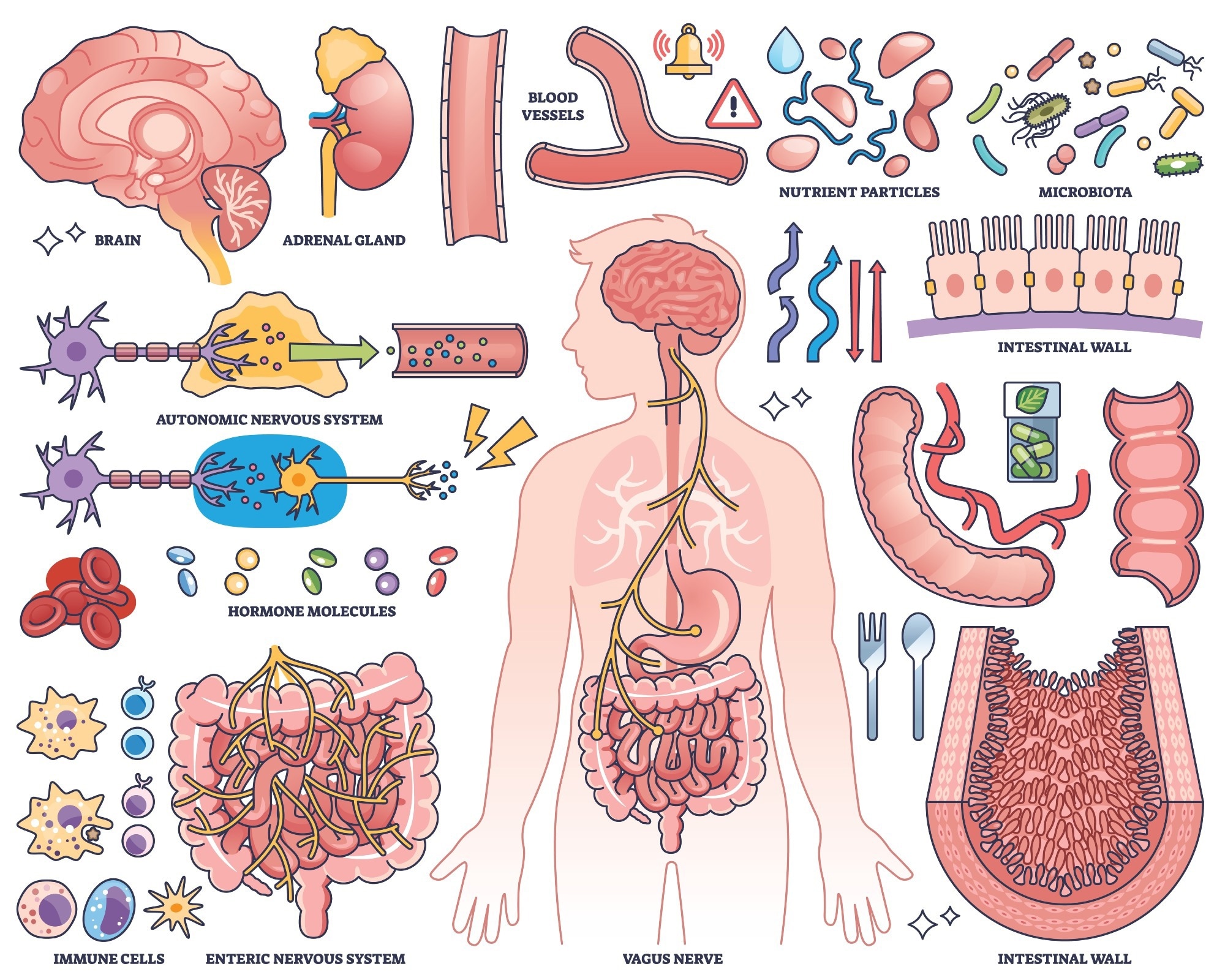 Image Credit: Parkinson's / Shutterstock.com
A diverse diet and an overall healthy lifestyle can support gut microbial function. Fermentable fibers in fiber-rich plant foods provide substrates for microbes to produce SCFAs that support intestinal health.
Prebiotic supplementation is also recommended, as these substrates are selectively used by host microorganisms to confer health benefits. Comparatively, probiotics are live microorganisms that confer health benefits when administered in adequate amounts. 1,2,3,4
Inter-individual variability in gut microbiome composition, driven by genetics, diet, and lifestyle factors, makes it difficult to define a universal gut microbial signature of healthy aging. In women, declining estrogen levels during menopause are also associated with microbial changes; however, these findings cannot be generalized to all older adults.1,2
Longitudinal studies and controlled trials are needed to distinguish age-related changes from differences in health and living conditions, and to test personalized interventions tailored to an individual's microbial composition, lifestyle, and health status.1,2,5 To date, it remains unproven whether these interventions can extend human lifespan.1,2,5
References
- Ferrando, M. L., Busonero, F., Crobu, F., & Sanna, S. (2026). Aging in Women–the Microbiome Perspective. Aging Research Reviews, 113. DOI: 10.1016/j.arr.2025.102950. https://www.sciencedirect.com/science/article/pii/S156816372500296X
- Badal, V. D., Vaccariello, E. D., Murray, E. R., et al. (2020). The Gut Microbiome, Aging, and Longevity: A Systematic Review. Nutrients 12(12). DOI: 10.3390/nu12123759. https://www.mdpi.com/2072-6643/12/12/3759
- Ragonnaud, E. & Biragyn, A. (2021). Gut microbiota as the key controllers of "healthy" aging of elderly people. Immunity & Aging, 18. DOI: 10.1186/s12979-020-00213-w. https://link.springer.com/article/10.1186/s12979-020-00213-w
- Buford, T. W. (2017). (Dis) Trust your gut: the gut microbiome in age-related inflammation, health, and disease. Microbiome 5. DOI: 10.1186/s40168-017-0296-0. https://link.springer.com/article/10.1186/s40168-017-0296-0
- Deng, F., Li, Y., & Zhao, J. (2019). The gut microbiome of healthy long-living people. Aging (Albany, NY) 11(2), 289- 290. DOI: 10.18632/aging.101771. https://www.aging-us.com/article/101771
Further Reading
Last Updated: Oct 18, 2026
 Ultrasensitive AMH testing offers new insights into midlife ovarian reserve