Introduction
Epidemiology and co-occurrence
Proposed mechanisms linking IR and BD
Clinical consequences of IR in bipolar disorder
Mechanisms impacting brain and behavior
Clinical implications and treatment perspectives
References
Further reading
Insulin resistance is highly prevalent in bipolar disorder and is increasingly linked to worse clinical outcomes, treatment resistance, and neuroprogression. Emerging evidence suggests shared metabolic, inflammatory, and neuroendocrine mechanisms may contribute to disease severity, although causality remains under investigation.
 Image Credit: Nicole Rerk / Shutterstock.com
Introduction
BD is a complex mood condition characterized by repeated episodes of mania and depression that affect thinking, energy, sleep, and everyday routines. IR refers to a condition in which cells respond poorly to insulin, which leads to impaired glucose regulation and increased metabolic strain on the body.1
Recent studies have established a link between BD and IR, with this form of metabolic dysfunction contributing to disease severity, cognitive function, and treatment response. Emerging evidence suggests this relationship is bidirectional, with metabolic dysfunction not only resulting from BD and its treatments but also potentially contributing to its pathophysiology and progression.1,3 By disrupting brain signaling and vascular function, metabolic imbalance due to IR may influence the course of BD progression.1
Epidemiology and co-occurrence
Low insulin sensitivity is present in 30-52% of people diagnosed with BD, and about 20% of BD patients develop T2D at some point in their lives. Some studies suggest that more than half of individuals with BD exhibit some form of impaired glucose metabolism (IR or T2D), although this may vary across populations and study designs.3 High blood pressure, excess weight, abnormal cholesterol levels, and metabolic syndrome are frequently observed in BD patients with IR. Low insulin sensitivity may alter disease course, with patients experiencing more chronic and unstable disease, regardless of their age, weight, or medication use.2
Cardiovascular disease is the leading cause of death among individuals with BD, a patient population with 30% lower survival rates than the general population. In the presence of IR, BD patients are 12-fold more likely to experience psychiatric morbidity, in addition to a greater risk of more frequent mood changes, repeated hospitalizations, and overall disease burden, which worsens quality of life.2,3
Proposed mechanisms linking IR and BD
IR increases the oxidative breakdown of lipid membranes, which damages endothelial cells, a finding often observed in BD. Excess body weight also contributes to systemic inflammation and the release of pro-inflammatory substances like cytokines that are implicated in mood changes.3
Beyond peripheral effects, impaired insulin signaling in the brain may affect neuroplasticity, cognition, and emotional regulation, supporting the concept of BD as a disorder of energy metabolism and neuronal homeostasis.1
Dysregulation of the HPA axis increases serum cortisol levels for prolonged periods, leading to inflammation, weight gain, and impaired glucose metabolism. Meta-analytic evidence indicates that BD is associated with elevated cortisol and adrenocorticotropic hormone (ACTH) levels, particularly during manic states, suggesting both state- and trait-related HPA axis dysfunction.4 Excess cortisol levels, which have also been observed among BD patients, can disrupt the circadian rhythm and sleep patterns, increasing endocrine stress and vulnerability to mood changes.4
Importantly, several biological abnormalities, including inflammatory markers and brain metabolic changes, may fluctuate across mood states, whereas others (e.g., mitochondrial dysfunction) may represent more stable trait-like features.1
Chronic inflammation increases BBB permeability, thereby allowing proteins and other molecules to enter the brain and affect neural signaling pathways. Emerging evidence suggests that BBB dysfunction may be associated with illness severity and neuroprogression in BD, although this relationship remains under active investigation.2 BD severity has correlated with greater BBB damage and poorer thinking abilities as compared to those with milder forms of the disease, suggesting a mechanistic relationship between metabolic dysfunction and bipolar neuroprogression.2
Additionally, mitochondrial dysfunction, oxidative stress, and inflammatory signaling pathways are shared features of both IR and BD, potentially creating a self-reinforcing cycle that exacerbates both metabolic and psychiatric symptoms.1,3
It is important to note that BD is a heterogeneous disorder, and metabolic dysfunction - including IR - likely represents one of several interacting pathophysiological pathways rather than a universal mechanism in all patients.3
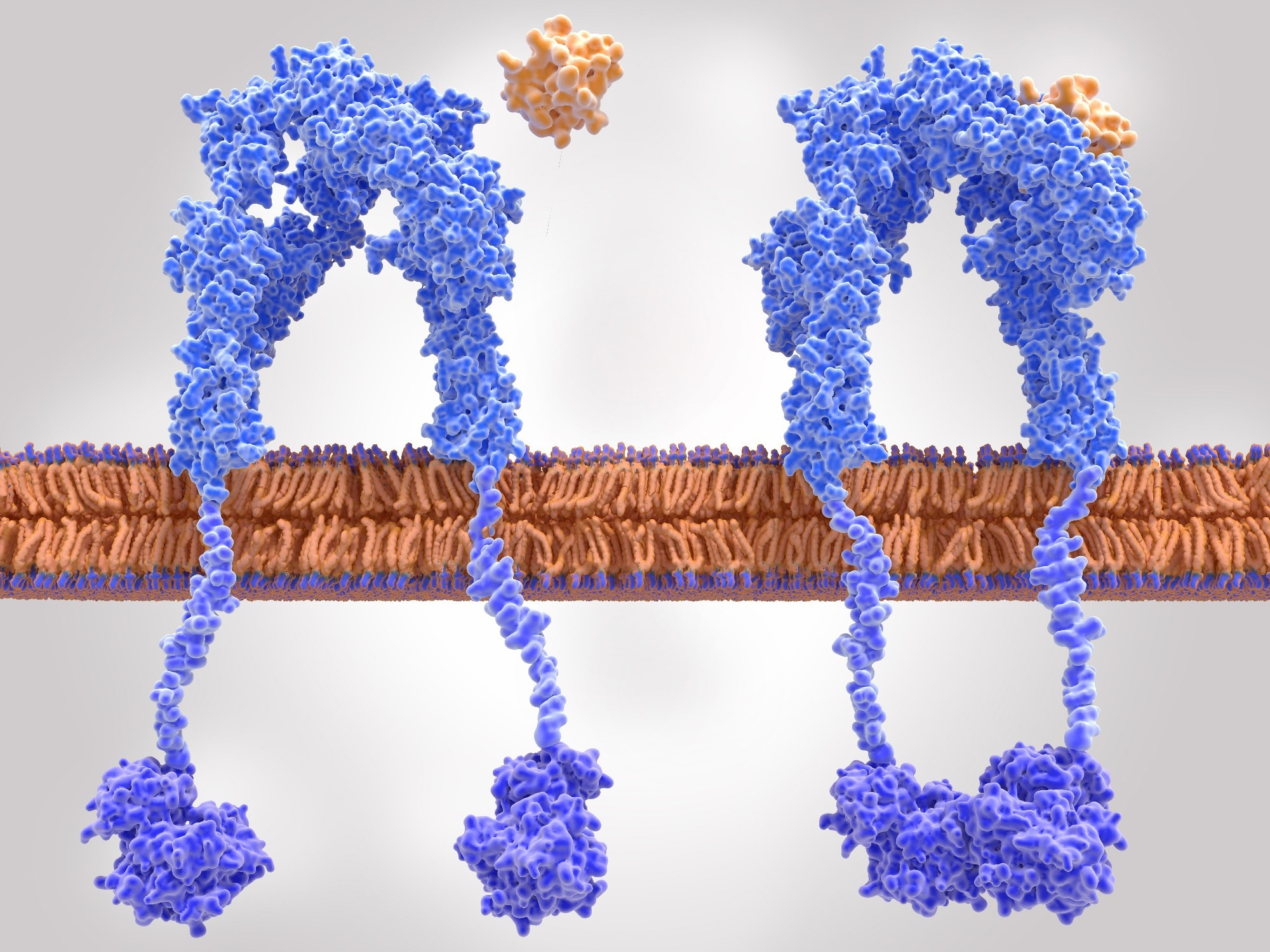 Image Credit: Juan Gaertner / Shutterstock.com
Clinical consequences of IR in bipolar disorder
BD patients with IR often exhibit a more severe and persistent course of their disease, with the co-occurrence of diabetes associated with a greater likelihood of experiencing rapid alternations between cycles and frequent relapse. IR has been associated with a threefold increased likelihood of chronic illness course and rapid cycling, even after controlling for medication exposure and body mass index.3 Poor blood sugar control can result in more unstable disease, indicating that metabolic health directly influences illness trajectory.2
Even during periods of stable mood, people with low insulin sensitivity may exhibit poorer cognitive function than those who are metabolically healthy. However, findings on cognitive impairment are mixed, with some studies reporting significant deficits while others do not, suggesting the need for further investigation.3 Memory and executive functions are frequently impaired in these individuals, suggesting that IR may worsen disease progression, even during clinically stable phases, potentially affecting their ability to perform daily tasks.2
BD patients who subsequently develop IR or T2D may be poor responders to first-line mood stabilizers like lithium, with some response rates lower by up to eightfold. Greater severity of insulin resistance has been correlated with poorer treatment response.3 Other metabolic imbalances increase the likelihood of treatment resistance by fourfold, thus emphasizing the need for personalized and metabolically informed treatment strategies.2,3
Mechanisms impacting brain and behavior
Insulin is considered a neuroregulatory peptide that protects the brain against oxidative stress, apoptosis, and ischemia, as well as supporting neuronal differentiation, proliferation, and growth. IR leads to impaired brain insulin signaling, which has been implicated in depressive and anxiety-like behaviors, as well as the development of neuropsychiatric and neurodegenerative diseases.
IR promotes the release of reactive oxygen species (ROS), which weaken the integrity of the BBB under oxidative stress, thereby activating astrocytes and microglia, thereby increasing inflammation. Chronic inflammation damages synaptic networks and increases excitatory signals, thus disrupting neural circuits involved in cognition, mood, and emotional regulation.3
IR is also associated with reduced insulin transport across the BBB, leading to relative central insulin deficiency, which may contribute to neurodegenerative processes and structural brain changes observed in BD.3
Clinical implications and treatment perspectives
Recent data support integrating routine metabolic screening, such as fasting blood glucose, fasting insulin, and homeostatic model assessment of IR (HOMA-IR), into standard BD care to identify high-risk individuals. IR is potentially reversible; therefore, prompt intervention may reduce the risk of relapse, disease progression, and long-term cardiovascular risk.1-3
Lifestyle changes such as healthy eating, regular exercise, and sufficient sleep can increase insulin sensitivity and, in turn, stabilize mood. Metformin, the most widely used insulin-sensitizing drug, has shown preliminary benefits in reducing depressive symptoms and improving metabolic health in treatment-resistant cases.
Other emerging approaches, such as GLP-1 receptor agonists and interventions targeting metabolic signaling pathways like AMPK, are being investigated, though clinical evidence remains limited.1
Scientists are increasingly investigating vascular-protective drugs like losartan and anti-diabetes drugs like pioglitazone for their potential neurovascular benefits.2,3 However, most evidence remains preliminary with small sample sizes and limited patient subgroups, thus emphasizing the need for robust longitudinal cohorts and randomized clinical trials to determine whether targeting metabolic dysfunction can improve psychiatric outcomes and prevent BD neuroprogression.1
References
- Khayachi, A., Nunes, A., Alda, M., & Rouleau, G. A. (2025). The overlooked role of metabolic disorders in bipolar disorder. Neuroscience & Biobehavioral Reviews 174; 106203. DOI: 10.1016/j.neubiorev.2025.106203. https://www.sciencedirect.com/science/article/pii/S0149763425002039
- Calkin, C., McClelland, C., Cairns, K., et al. (2021). Insulin Resistance and Blood-Brain Barrier Dysfunction Underlie Neuroprogression in Bipolar Disorder. Frontiers in Psychiatry 12; 636174. DOI: 10.3389/fpsyt.2021.636174. https://www.frontiersin.org/journals/psychiatry/articles/10.3389/fpsyt.2021.636174/full
- Calkin, C. V. (2019). Insulin resistance takes center stage: a new paradigm in the progression of bipolar disorder. Annals of Medicine 51(5-6); 281-293. DOI: 10.1080/07853890.2019.1659511. https://www.tandfonline.com/doi/full/10.1080/07853890.2019.1659511
- Belvederi Murri, M., et al. (2015). The HPA axis in bipolar disorder: Systematic review and meta-analysis. Psychoneuroendocrinology 63; 327-342. DOI: 10.1016/j.psyneuen.2015.10.014. https://www.sciencedirect.com/science/article/abs/pii/S0306453015009622
Further Reading
Last Updated: Mar 23, 2026
 New review calls for biologically grounded approach to psychiatric diagnosis