Sponsored Content by EvotecReviewed by Ify IsiborAug 3 2026
Autoimmune diseases are a major challenge for modern medicine, impacting millions of people globally. Though there are many distinct disorders, these conditions all share a common trait: a loss of immune tolerance leading to progressive tissue damage and chronic inflammation.
However, a remarkable biological complexity lies beneath this shared immunological foundation, with patients diagnosed with the same autoimmune disease often presenting with very different symptoms, treatment responses, and disease trajectories.
This heterogeneity implies the presence of numerous underlying disease endotypes that are not fully captured by current clinical classifications. There is also an urgent demand for biomarkers able to improve patient stratification, support earlier diagnosis, predict disease progression, and facilitate more precise monitoring of therapeutic response.
Evotec performed a multi-omics study to better understand the molecular mechanisms driving autoimmune diseases. This study leveraged a combination of metabolomics, lipidomics, and proteomics across four representative autoimmune conditions:
- Systemic lupus erythematosus (SLE)
- Multiple sclerosis (MS)
- Crohn’s disease (CD)
- Ulcerative colitis (UC)
The study sought to explore molecular signatures across these related yet distinct disorders, identifying both disease-specific and shared biological processes as well as uncovering novel biomarker candidates.
The molecular landscape of autoimmune disease
The study investigated plasma samples from 76 individuals, comprising healthy volunteers and patients with SLE, MS, CD, and UC.
Untargeted metabolomics and lipidomics were used alongside proteomics profiles, generating multiple immunoassay platforms to provide further insight into disease-related biological processes.
The study initially sought to determine whether or not molecular profiling could distinguish autoimmune diseases from one another.
Unsupervised analyses showed that SLE exhibited the most distinguishing molecular signature, with SLE patients forming a distinct cluster that highlighted extensive metabolic dysregulation and the disease’s systemic nature.
CD and UC showed substantial overlap, however. This result was anticipated from a biological perspective, with CD and UC sharing common inflammatory mechanisms because these two conditions are on the inflammatory bowel disease (IBD) spectrum.
MS patients were found to cluster much closer to healthy volunteers, reflecting the fact that individuals in the cohort were receiving treatment and in a relapsing-remitting phase of disease.
This combination of results confirmed that metabolomics and lipidomics are sensitive enough to capture both disease-specific biology and common inflammatory processes across autoimmune disorders.
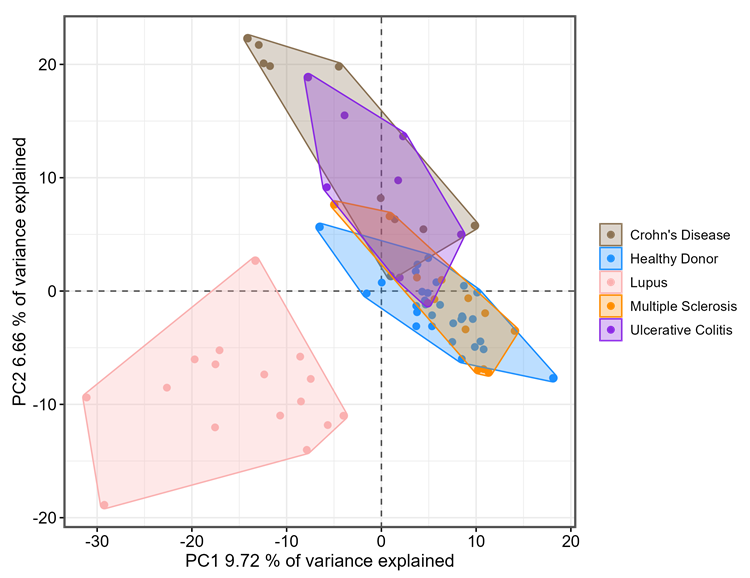
Figure 1. Principal component analysis. Image Credit: Evotec
Lupus: A state of systemic metabolic stress
SLE exhibited the strongest perturbation among all diseases studied, with differential analysis identifying several considerably dysregulated metabolites and lipids. This finding suggested profound metabolic reprogramming.
Mapping these alterations onto biological pathways revealed links to mitochondrial dysfunction, oxidative stress, protein catabolism, immunometabolism rewiring, and metabolic demand associated with chronic immune activation.
Signals linked to neuroimmune pathways further emphasized the disease’s multisystem nature.
Taken together, these findings describe a condition characterized by redox imbalance, systemic immune activation, and widespread metabolic stress. These findings also offer potentially valuable leads for future functional and mechanistic studies.
Multiple sclerosis: Subtle signals, strong biological relevance
Overall metabolic disruption of MS was more limited than in SLE, but the identified alterations were determined to be highly consistent with known disease biology. These findings suggested the presence of active pathological processes, despite treatment.
Key pathways included myelin lipid turnover, sphingolipid metabolism, neuroinflammation, histidine-related immune regulation, and mitochondrial dysfunction.
These signatures suggest that biologically meaningful molecular alterations remain detectable, although relapsing-remitting patients could potentially appear metabolically similar to healthy individuals at a global level.
These features may prove especially beneficial as biomarkers of disease progression, activity, or relapse risk.
The gut-microbiome axis in inflammatory bowel disease
The investigated inflammatory bowel diseases revealed a specific molecular landscape centered on host-microbiome interactions and intestinal biology.
CD showed altered metabolites linked to host-microbiome co-metabolism, bile acid dysregulation, protein catabolism, and inflammatory lipid signaling associated with intestinal barrier dysfunction. These signatures are consistent with microbial dysbiosis and chronic intestinal inflammation, which are both key drivers of disease pathogenesis.
UC shared a number of these features while exhibiting further alterations involving epithelial energy stress, microbiome-derived tryptophan metabolism, and mucosal inflammation. The resulting metabolic signatures reflected and altered interactions between the intestinal microbiota and the host immune system, as well as epithelial barrier dysfunction.
These findings highlight one of metabolomics’ distinct strengths: its capacity to capture biological information originating from both the microbiome and the host, providing a highly beneficial window into the sophisticated molecular dialog taking place in IBD.
Disease-specific remodeling versus a common autoimmune signature
It was noted that cross-disease comparisons showed minimal overlap among significantly altered metabolites. A small common core was believed to have reflected shared immunometabolic and inflammatory processes, but most molecular changes were found to be disease-specific.
Hierarchical clustering verified this observation, with disease groups displaying clearly differentiated abundance patterns. SLE exhibited the most distinct profile, with the two IBDs distinguishable despite being clustered closer together. MS occupied an intermediate position closer to that of healthy volunteers.
These results support the assertion that autoimmune diseases are driven by distinct underlying biological mechanisms despite sharing common immunological features.
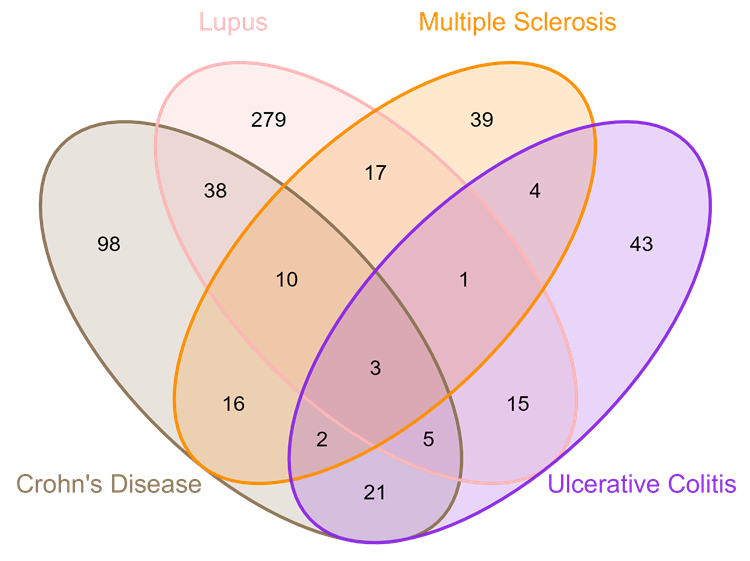
Figure 2. Venn diagram of the significantly changed metabolites and lipids across conditions. Image Credit: Evotec
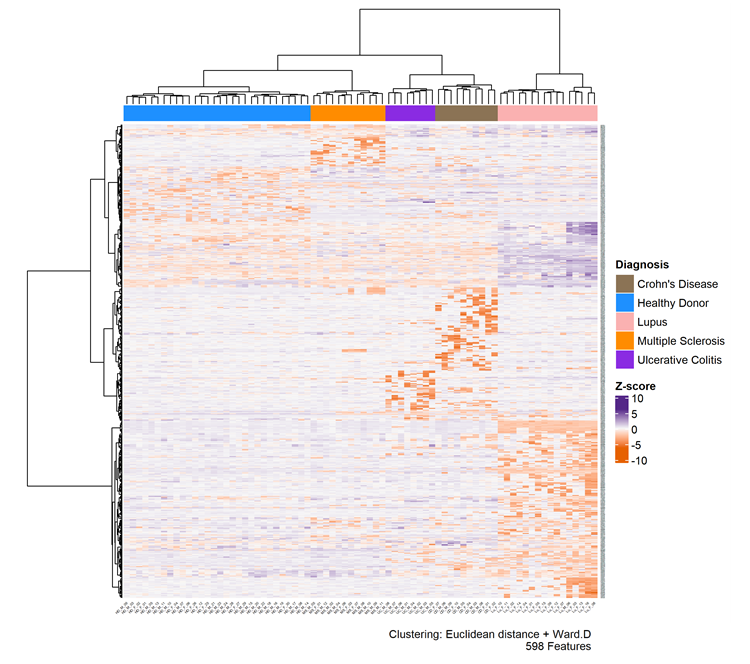
Figure 3. Heatmap of the Z-score of the significantly changed metabolites and lipids across conditions. Image Credit: Evotec
Predictive biomarker signatures identified via machine learning
Regularized regression approaches were applied to determine whether these molecular signatures could support disease classification. Such methods enabled the confident annotation of both metabolites and lipids.
Elastic net modeling enabled the identification of compact metabolite and lipid panels that distinguished disease groups from healthy volunteers. Classification models achieved F1 scores from approximately 0.84 to nearly 1, depending on the disease in question.
Selected features were found to be consistent with biological pathways identified via differential analysis. For example, sphingolipids were prominent markers in MS; SLE signatures were driven by amino acid and redox metabolism; and IBDs were characterized by microbiome-associated metabolites.
Revealing novel biomarker candidates via multi-omics integration
Metabolomics, lipidomics, and proteomics data was integrated using the DIABLO multi-omics framework to further expand biological insight.
This approach revealed coordinated molecular networks rather than isolated markers, highlighting metabolite, lipid, and protein networks that collectively characterized each disease. The resulting multi-omics signature featured 230 metabolites and lipids, along with 30 proteins.
A large number of integrated signatures reinforced known disease mechanisms that had been identified in the study.
These signatures also uncovered historically unreported combinations of proteins and metabolites. For example, of the top 60 identified candidate biomarkers, 27 had been previously reported, while 33 represented potentially novel candidate biomarkers.
These findings showcase the benefits of integrating multiple molecular layers when investigating complex diseases.
Looking ahead
This study presented here shows that integrated omics profiling can reveal the distinct molecular identities of autoimmune diseases. Leveraging a combination of metabolomics, lipidomics, and proteomics enabled the identification of disease-specific signatures linked to neuroinflammation, systemic autoimmunity, and gut-microbiome dysfunction while also uncovering a range of candidate biomarkers.
The study also validated a ready-to-use workflow suitable for multi-omics data generation, analysis, and integration.
Though autoimmune diseases served as the use case in this instance, it is possible to readily apply the same framework across therapeutic areas to characterize disease endotypes, identify biomarkers, and generate novel biological insights.
Integrated multi-omics approaches will play an increasingly important role as precision medicine continues to evolve, serving to translate molecular complexity into actionable knowledge.
The study presented here shows how combining complementary molecular layers has the potential to accelerate the discovery of next-generation biomarkers and reveal hidden dimensions of disease biology.
Acknowledgments
Produced from materials originally authored by Michaël Méret, Senior Research Scientist of Metabolomics at Evotec.
About Evotec
Evotec is a life science company that is pioneering the future of drug discovery and development. By integrating breakthrough science with AI-driven innovation and advanced technologies, we accelerate the journey from concept to cure - faster, smarter, and with greater precision.
Our expertise spans small molecules, biologics, cell therapies and associated modalities, supported by proprietary platforms such as Molecular Patient Databases, PanOmics and iPSC-based disease modeling.
With flexible partnering models tailored to our customers’ needs, we work with all Top 20 Pharma companies, over 800 biotechs, academic institutions, and healthcare stakeholders. Our offerings range from standalone services to fully integrated R&D programs and long-term strategic partnerships, combining scientific excellence with operational agility.
Through Just – Evotec Biologics, we redefine biologics development and manufacturing to improve accessibility and affordability.
With a strong portfolio of over 100 proprietary R&D assets, most of them being co-owned, we focus on key therapeutic areas including oncology, cardiovascular and metabolic diseases, neurology, and immunology.
Evotec’s global team of more than 4,800 experts operates from sites in Europe and the U.S., offering complementary technologies and services as synergistic centers of excellence.
Sponsored Content Policy: News-Medical.net publishes articles and related content that may be derived from sources where we have existing commercial relationships, provided such content adds value to the core editorial ethos of News-Medical.net, which is to educate and inform site visitors interested in medical research, science, medical devices and treatments.