Introduction
Public health concerns around processed meats
Chemistry of nitrates and nitrites in the body
Processing methods, food additives, and product variability
Evidence linking processed meats to cancer risk
Risk mitigation and dietary recommendations
References
Further reading
Cured and processed meats can promote the formation of carcinogenic N-nitroso compounds through nitrite chemistry, heme iron, smoking, and high-temperature cooking. Evidence most strongly links regular processed meat intake with increased colorectal cancer risk, while plant-derived nitrate behaves differently within an antioxidant-rich food matrix.
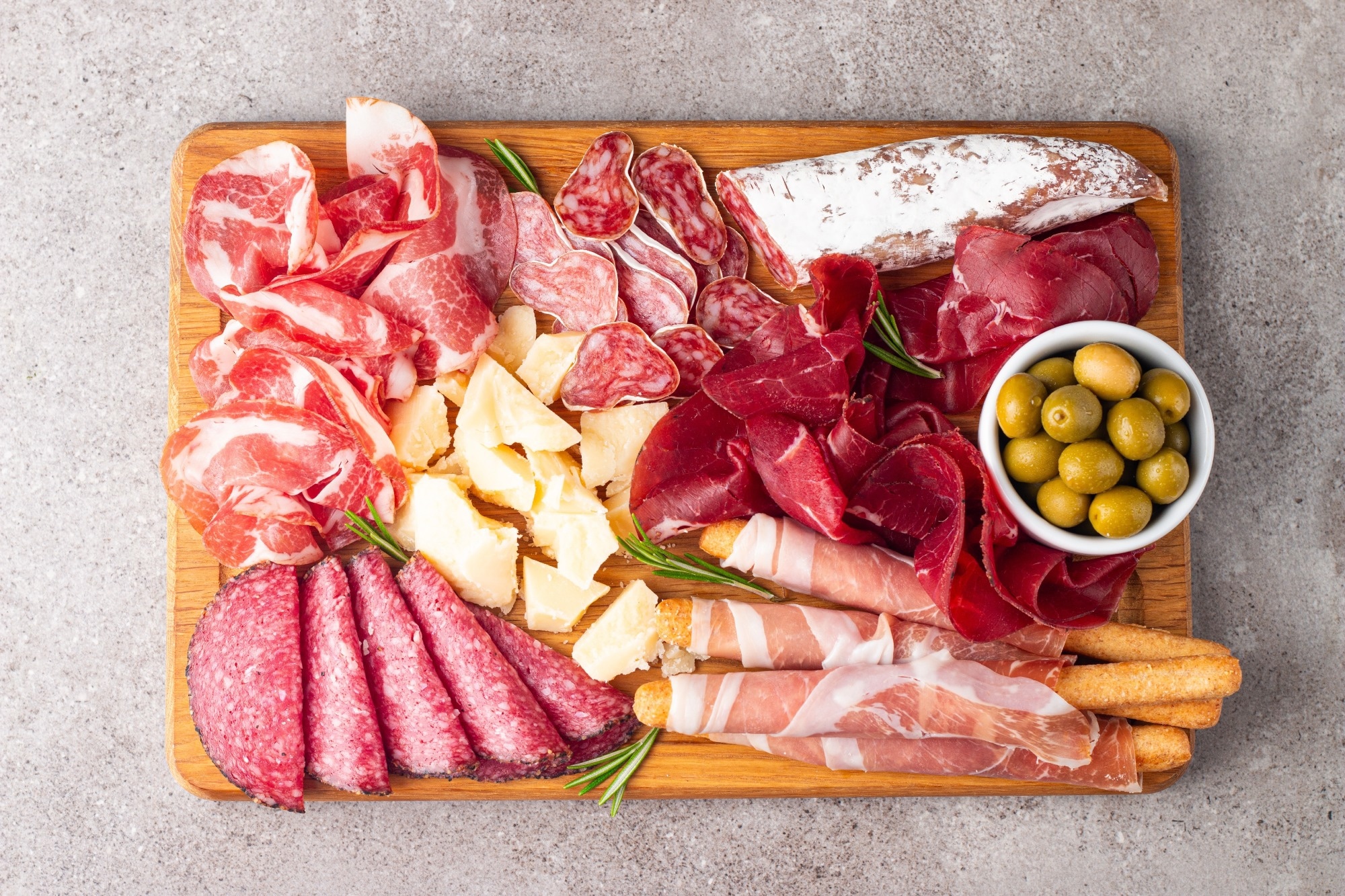 Image Credit: CreatoraLab / Shutterstock.com
Introduction
Cured meats often contain nitrates and nitrites that can undergo chemical transformations within the body, leading to the formation of potentially carcinogenic compounds under some conditions. However, the carcinogenicity of processed meat is multifactorial and may also involve heme iron, smoking, and high-temperature cooking.1,3,5 This article explores the current evidence on how these processes may influence cancer risk and what this means for public health.
Public health concerns around processed meats
Meat curing involves the addition of sodium chloride, often together with nitrite or nitrate, to inhibit pathogens and spoilage and to develop characteristic color and flavor; it does not necessarily remove all remaining moisture.1,3 Processed meat is a broader category that includes meat transformed through salting, curing, fermentation, smoking, or related preservation processes. The strongest established cancer association is with colorectal cancer, whereas evidence for many extra-intestinal cancers is less consistent.3,8
In 2015, the International Agency for Research on Cancer (IARC) formally classified the consumption of processed meat as carcinogenic to humans (Group 1); the full Volume 114 monograph was published in 2018. This classification identifies a carcinogenic hazard and does not mean that processed meat produces the same magnitude of risk as every other Group 1 agent.3
Colorectal cancer is the cancer site for which the evidence on processed meat is strongest, emphasizing the public-health importance of moderating intake.3,8
Chemistry of nitrates and nitrites in the body
One proposed pathway linking cured meat to cancer involves nitrate and nitrite, although their effects depend strongly on source, dose, and food matrix. Dietary nitrates are absorbed and recirculated through the enterosalivary pathway. During this process, salivary glands actively concentrate nitrates, oral bacteria reduce a portion to nitrite, and salivary nitrate concentrations become substantially higher than those in plasma.1,2
The acidic environment of the stomach protonates nitrite to nitrous acid, forming highly reactive nitrosating agents that combine with dietary secondary amines or amides to form N-nitroso compounds (NOCs) like N-nitrosodimethylamine (NDMA).4,5 In the lower gastrointestinal tract, heme iron can promote endogenous NOC formation; controlled feeding studies have reported marked increases in fecal apparent total NOCs during high-red-meat diets.5
Heme iron simultaneously catalyzes lipid peroxidation, which leads to the generation of reactive aldehydes like malondialdehyde (MDA) that can react with deoxyguanosine to form cyclic M1-dG DNA adducts. DNA adducts are chemical alterations to DNA that may produce mutations if they are not repaired. Some nitrosamines require metabolic activation, including by cytochrome P450 2E1, and can form alkylating lesions such as O6-methylguanine (O6-MedG). O6-carboxymethylguanine (O6-CMdG) is another lesion associated with nitrosated compounds. These adducts are biologically plausible contributors to carcinogenesis, but their quantitative contribution to human colorectal cancer remains uncertain.5
Importantly, high-temperature cooking methods like pan-frying and grilling similarly generate genotoxic substances like heterocyclic aromatic amines (HAAs) and polycyclic aromatic hydrocarbons (PAHs), which can exacerbate DNA damage and cancer risk. PAHs may also be introduced through smoking or direct exposure of meat to flames.3,5
Bye bye, pink ham: Nitrates in cured meats linked to cancer, French health agency finds
Processing methods, food additives, and product variability
The concentration of carcinogenic compounds in cured meats is determined by the preservation method, the use of smoking or other cooking processes, and the use of specific chemical additives. Sodium nitrite is commonly added directly, whereas nitrate salts may be reduced to nitrite during longer curing processes. These additives are used to suppress the growth of Clostridium botulinum and similar pathogens, stabilize cured color and flavor, and inhibit oxidation.1
To manage exposure to nitrate, nitrite, and potentially carcinogenic compounds formed during processing or digestion, global food safety regulators set maximum permitted additive levels and acceptable daily intakes for nitrate and nitrite rather than daily intake limits for cured meat itself. The European Food Safety Authority (EFSA) has set acceptable daily intakes (ADIs) of 3.7 mg/kg body weight (bw)/day and 0.07 mg/kg bw/day for nitrates and nitrites, respectively.1,6 ADIs are lifetime-exposure benchmarks and are not direct estimates of the cancer risk associated with an individual food or meal.1
Nitrate and nitrite ions are chemically identical regardless of whether they originate from synthetic additives or plant ingredients; differences in biological effects largely reflect dose and the surrounding food matrix.1,7 Despite accounting for over 80% of human nitrate intake, systematic reviews have found no association between plant-derived nitrate or nitrite intake and overall digestive-system cancer risk. Some subgroup analyses and a dose-response analysis suggested inverse associations, including for gastric cancer, but these secondary findings do not establish a protective effect.7 Rather, the plant matrix is rich in antioxidants like polyphenols and vitamins C and E that can inhibit nitrosation and favor nitric oxide formation rather than NOC formation.1,7
Products cured with nitrate-rich vegetable ingredients may contain nitrite generated during processing, even when marketed as “natural” or as having no directly added synthetic nitrite. Such labels therefore do not necessarily indicate the absence of nitrate, nitrite, or nitrosation potential.1
Evidence linking processed meats to cancer risk
Epidemiological studies support a dose-response relationship between processed-meat intake and colorectal cancer risk.3,8 IARC estimated that each additional 50-g portion of processed meat consumed daily was associated with an approximately 18% increase in colorectal cancer risk.3 In a review of 60 prospective studies, higher processed-meat intake was significantly associated with higher colon, rectal, and overall colorectal cancer risk; because intake categories varied, these pooled estimates compared broadly higher with lower consumption rather than a single standardized dose. The pooled increases were approximately 13% for colon cancer, 17% for rectal cancer, and 21% for colorectal cancer overall.8
High dietary nitrite intake was associated in one meta-analysis with an increased risk of gastric and esophageal cancers, whereas pre-formed dietary NDMA was associated with a 36% greater likelihood of developing colorectal cancer. Several pooled analyses showed substantial between-study heterogeneity, so these estimates should be interpreted cautiously.4 Increased nitrite exposure has also produced mixed site-specific findings involving glioma, bladder, stomach, and pancreatic cancers, while nitrate findings have varied for thyroid and kidney cancers.2
Comparatively, the NutriNet-Santé cohort reported that high food-additive nitrate intake was associated with a 24% higher breast cancer risk and high food-additive nitrite intake with a 58% higher prostate cancer risk, compared with non-consumption. No association was observed for nitrate or nitrite from natural food and water sources, and the corresponding colorectal cancer estimates were not statistically significant.6 These observational findings are vulnerable to exposure-measurement error and residual confounding and do not establish that nitrate or nitrite alone causes these cancers.2,4,6,7
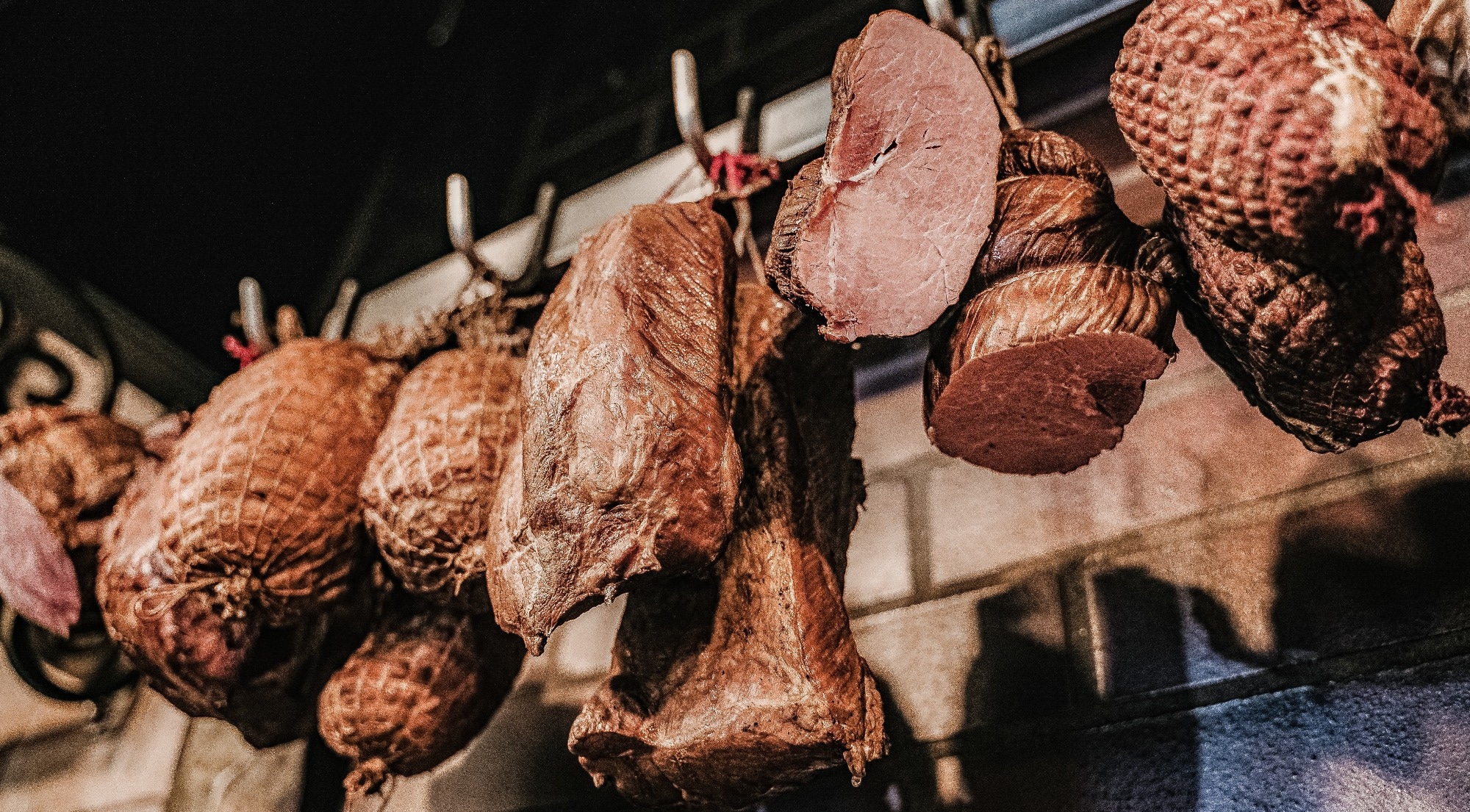 Image Credit: Silesia Wedding / Shutterstock.com
Risk mitigation and dietary recommendations
To minimize carcinogenic hazards, risk-reduction advice generally emphasizes reducing the frequency and amount of processed meat rather than assuming that products made with vegetable-derived curing agents are nitrate- or nitrite-free.1,3,8 Replacing cured meats with fresh and unprocessed protein sources like poultry, fish, or legumes reduces exposure to preformed nitrosamines and may reduce heme-catalyzed colonic nitrosation. Avoiding charring and prolonged direct-flame cooking can also reduce the formation of HAAs and PAHs.3,5
Dietary fiber may exert chemoprotective effects by being fermented by the commensal microbiota to generate short-chain fatty acids (SCFAs), particularly butyrate, which may help preserve mucosal homeostasis and induce tumor cell apoptosis. In fact, high total dietary fiber intake was associated with reductions in colon and colorectal cancer risk of 26% and 12%, respectively. Although meta-regression suggested benefits across intakes of approximately 7-36 g/day, the umbrella review rated most of the underlying evidence as very low quality; this range should therefore not be interpreted as a precise individual optimum.9
References
- Shakil, M. H., Trisha, A. T., Rahman, M., et al. (2022). Nitrites in Cured Meats, Health Risk Issues, Alternatives to Nitrites: A Review. Foods 11(21); 3355. DOI: 10.3390/foods11213355. https://www.mdpi.com/2304-8158/11/21/3355
- Said Abasse, K., Essien, E. E., Abbas, M., et al. (2022). Association between Dietary Nitrate, Nitrite Intake, and Site-Specific Cancer Risk: A Systematic Review and Meta-Analysis. Nutrients 14(3) 666. DOI: 10.3390/nu14030666. https://www.mdpi.com/2072-6643/14/3/666
- International Agency for Research on Cancer (IARC). (2018). Red Meat and Processed Meat. IARC Monographs on the Evaluation of Carcinogenic Risks to Humans, Volume 114. Lyon, France: World Health Organization. https://publications.iarc.who.int/Book-And-Report-Series/Iarc-Monographs-On-The-Identification-Of-Carcinogenic-Hazards-To-Humans/Red-Meat-And-Processed-Meat-2018
- Seyyedsalehi, M. S., Mohebbi, E., Tourang, F., et al. (2023). Association of Dietary Nitrate, Nitrite, and N-Nitroso Compounds Intake and Gastrointestinal Cancers: A Systematic Review and Meta-Analysis. Toxics 11(2); 190. DOI: 10.3390/toxics11020190. https://www.mdpi.com/2305-6304/11/2/190
- Turesky, R. J. (2018). Mechanistic Evidence for Red Meat and Processed Meat Intake and Cancer Risk: A Follow-up on the International Agency for Research on Cancer Evaluation of 2015. CHIMIA 72(10) 718. DOI: 10.2533/chimia.2018.718. https://www.chimia.ch/chimia/article/view/2018_718
- Chazelas, E., Pierre, F., Druesne-Pecollo, N., et al. (2022). Nitrites and nitrates from food additives and natural sources and cancer risk: results from the NutriNet-Santé cohort. International Journal of Epidemiology 51(4); 1106-1119. DOI: 10.1093/ije/dyac046. https://academic.oup.com/ije/article/51/4/1106/6550543?login=false
- Long, B., Jiang, C., Liu, Z., et al. (2025). Association of dietary nitrate and nitrite from plant sources with digestive system cancer risk: a systematic review and meta-analysis. Nutrition & Metabolism 22; 84. DOI: 10.1186/s12986-025-00973-6. https://link.springer.com/article/10.1186/s12986-025-00973-6
- Ungvari, Z., Fekete, M., Varga, P., et al. (2025). Association between red and processed meat consumption and colorectal cancer risk: a comprehensive meta-analysis of prospective studies. GeroScience 47(3); 5123-5140. DOI: 10.1007/s11357-025-01646-1. https://link.springer.com/article/10.1007/s11357-025-01646-1
- He, X., Hou, J., Liu, L., et al. (2025). Dietary fiber consumption and outcomes of different cancers: an umbrella review. Food & Nutrition Research 69; 11034. DOI: 10.29219/fnr.v69.11034. https://foodandnutritionresearch.net/index.php/fnr/article/view/11034
Further Reading
Last Updated: Jul 14, 2026
 New study explains how brain tumors evolve to resist treatment