A man prescribed semaglutide for obesity saw his drinking fall dramatically over 10 months, adding fresh real-world evidence to the idea that GLP-1 drugs may help curb alcohol cravings while highlighting the need for better screening in primary care.
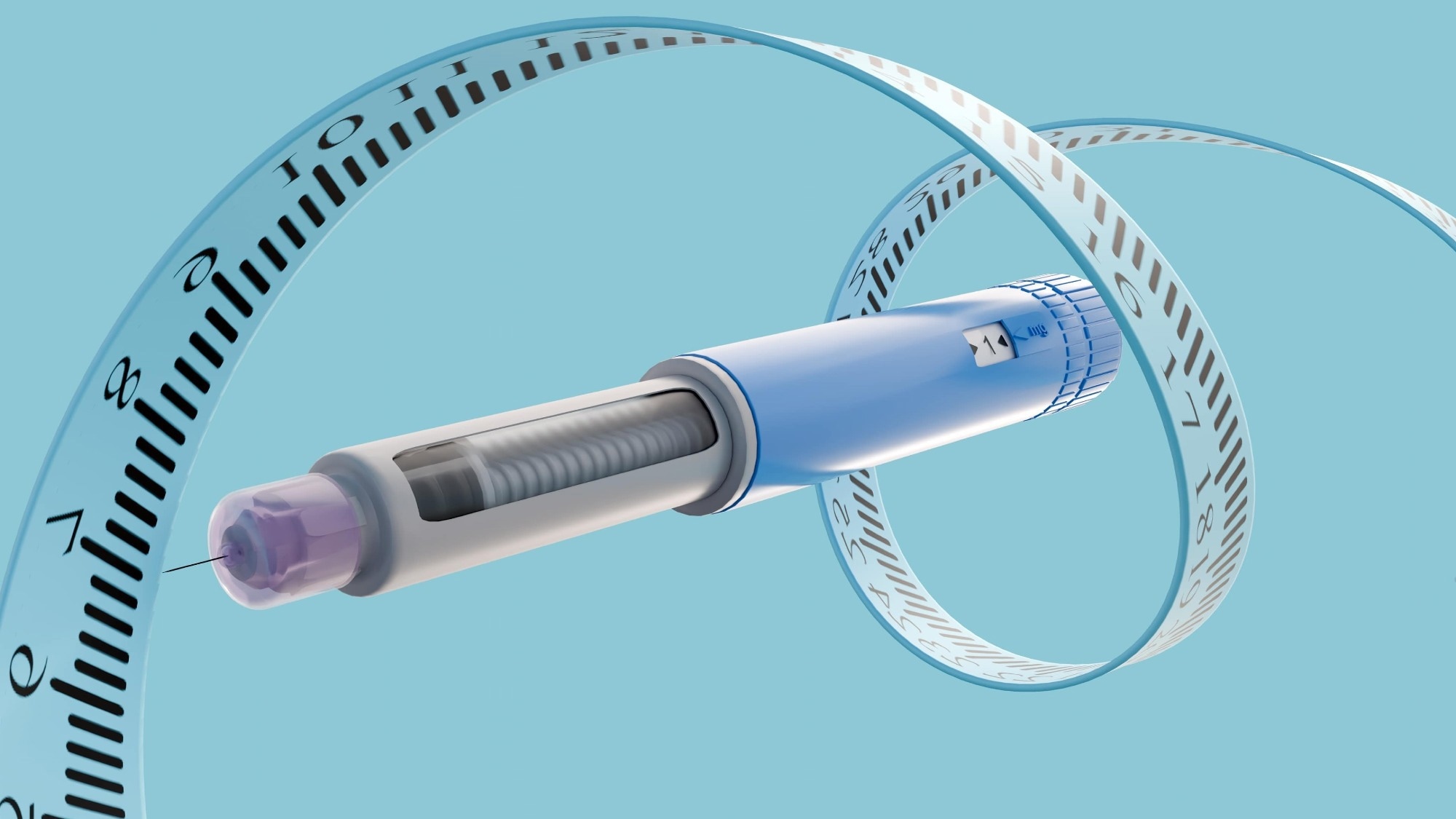
Case Study: The Role of Glucagon-Like Peptide-1 Receptor Agonists in Prompting a Meaningful Improvement in Alcohol Use Disorder. Image Credit: Love Employee / Shutterstock
In a recent study published in the Journal of Primary Care & Community Health, researchers detail a 10-month case report of a 34-year-old male with class 2 obesity and comorbid Alcohol Use Disorder (AUD).
The case study reveals that following the administration of semaglutide, the patient exhibited a 20-point reduction in his Alcohol Use Disorders Identification Test (AUDIT) score and a marked reduction in alcohol use, including binge-drinking episodes.
These findings add further support to a growing body of evidence that suggests that Glucagon-Like Peptide-1 Receptor Agonists (GLP-1 RAs) may modulate the human reward system by interacting with receptors in brain regions associated with dopamine signaling.
Background
Alcohol Use Disorder (AUD) is an increasingly prevalent global public health challenge. Government records from the United States (US) suggest that the condition affects ~29 million Americans of the ~133 million alcohol consumers within the country. Despite more than 60 million citizens reporting binge drinking, data reviews underscore that treatment accessibility remains sociodemographically skewed and geographically dispersed.
Current statistics indicate that fewer than 10% of those diagnosed with AUD receive any form of treatment, and only 2% of those who do utilize evidence-based pharmacotherapy. Previous studies investigating the limitations of conventional AUD treatment highlight that the primary barrier to pharmacological efficacy is the need for intensive behavioral engagement, which has been frequently observed to hinder long-term adherence.
Simultaneously, a growing body of evidence suggests that Glucagon-Like Peptide-1 Receptor Agonists (GLP-1 RAs) are capable of crossing the blood-brain barrier (BBB) and interacting with the brain's reward and dopamine signaling regions, leading researchers to hypothesize that these originally weight-management-centric drugs could be used to address addictive behaviors, specifically regarding the suppression of ethanol-seeking triggers.
About the study
The present study is a detailed case study description of a 34-year-old male referred to a family medicine clinic for medication therapy management of class 2 obesity and hypogonadism. The patient’s clinical evaluation revealed that his clinical profile was complicated by several comorbidities, including bipolar disorder, generalized anxiety disorder, and obstructive sleep apnea (OSA). Furthermore, the patient’s baseline assessment found that he met 9 of the 11 Diagnostic and Statistical Manual of Mental Disorders (DSM-5) criteria for AUD.
The primary screening tool used in this assessment was the Alcohol Use Disorders Identification Test (AUDIT; patient’s baseline score = 27), a validated 10-item instrument used to assess several alcohol addiction-specific metrics, including consumption frequency, binge patterns, and alcohol-related consequences.
The case study’s pharmacological intervention was the administration of semaglutide following the standard titration protocol: the patient was first prescribed 0.25 mg subcutaneously once weekly in August 2024. By May 2025, the dosage had been systematically increased to a maintenance level of 2.4 mg weekly. He was also started on testosterone 100 mg intramuscularly once weekly for hypogonadism.
The study’s primary outcomes of interest (monitored over a 10-month follow-up period) included changes from baseline in Body Mass Index (BMI), AUDIT scores, and qualitative reports of cravings.
Study findings
The 10-month follow-up revealed clinically meaningful improvements in both metabolic and behavioral metrics. The patient’s BMI was observed to decrease from 37.0 to 28.6. More notably, his alcohol consumption underwent a drastic reduction: at baseline, he consumed ~15 alcoholic drinks weekly, with frequent binge episodes (9 or more drinks in a single sitting).
Following titration to 2.4 mg of semaglutide, his intake was reduced to roughly 0.5 beers per month, a reduction in volume of nearly 100%. Furthermore, the patient's AUDIT score improved from a high-risk 27 to a 7, representing a clinically significant 20-point reduction.
Notably, clinicians noted that if his current intake patterns are sustained for a full year, his projected AUDIT score would drop to 1, indicating low risk. Most importantly, the patient reported a complete absence of alcohol withdrawal symptoms and a total cessation of the "desire to drink".
The stabilization of his alcohol use was further found to correlate with improved management of the patient’s bipolar disorder. These psychiatric improvements may have reflected both reduced alcohol use and the possibility that improved mood also contributed to decreased drinking.
The paper notes that AUD often worsens mood symptoms and increases suicide risk in bipolar disorder, but it did not directly measure blood ethanol concentrations or suicide risk reduction in this patient.
Conclusions
The present case study suggests the potential anti-addiction benefit of semaglutide, with the drug being associated with a substantial reduction in AUD-associated cravings and clinically meaningful declines in the patient’s alcohol consumption. However, while these results are compelling, the authors emphasize that this is a single-subject observation and underscore the need for large-scale randomized clinical trials to validate semaglutide and similar GLP-1 RAs as primary AUD treatments.
The authors also note that the patient did not initially disclose his alcohol use because of guilt and stigma, highlighting the need for stronger AUD screening and diagnostic efforts within family medicine clinics.
Journal reference:
- Meilinger, A., Campbell, M. A., Jr., Reynolds, H. M., & Chavez, A. S. (2026). The Role of Glucagon-Like Peptide-1 Receptor Agonists in Prompting a Meaningful Improvement in Alcohol Use Disorder. Journal of Primary Care & Community Health, 17. DOI – 10.1177/21501319261437615, https://journals.sagepub.com/doi/10.1177/21501319261437615
 Alcohol impacts gene expression differently across brain regions