Introduction
Effects on reward, motivation, and eating behavior
Neuroprotective and cellular mechanisms
Cognitive and emotional effects
Links to neurodegenerative disease
Effects on psychiatric and behavioral disorders
References
Further reading
What happens when a metabolic treatment reaches the brain's appetite, reward, and memory systems? Researchers are examining where these effects begin and what they could mean for neurological care.
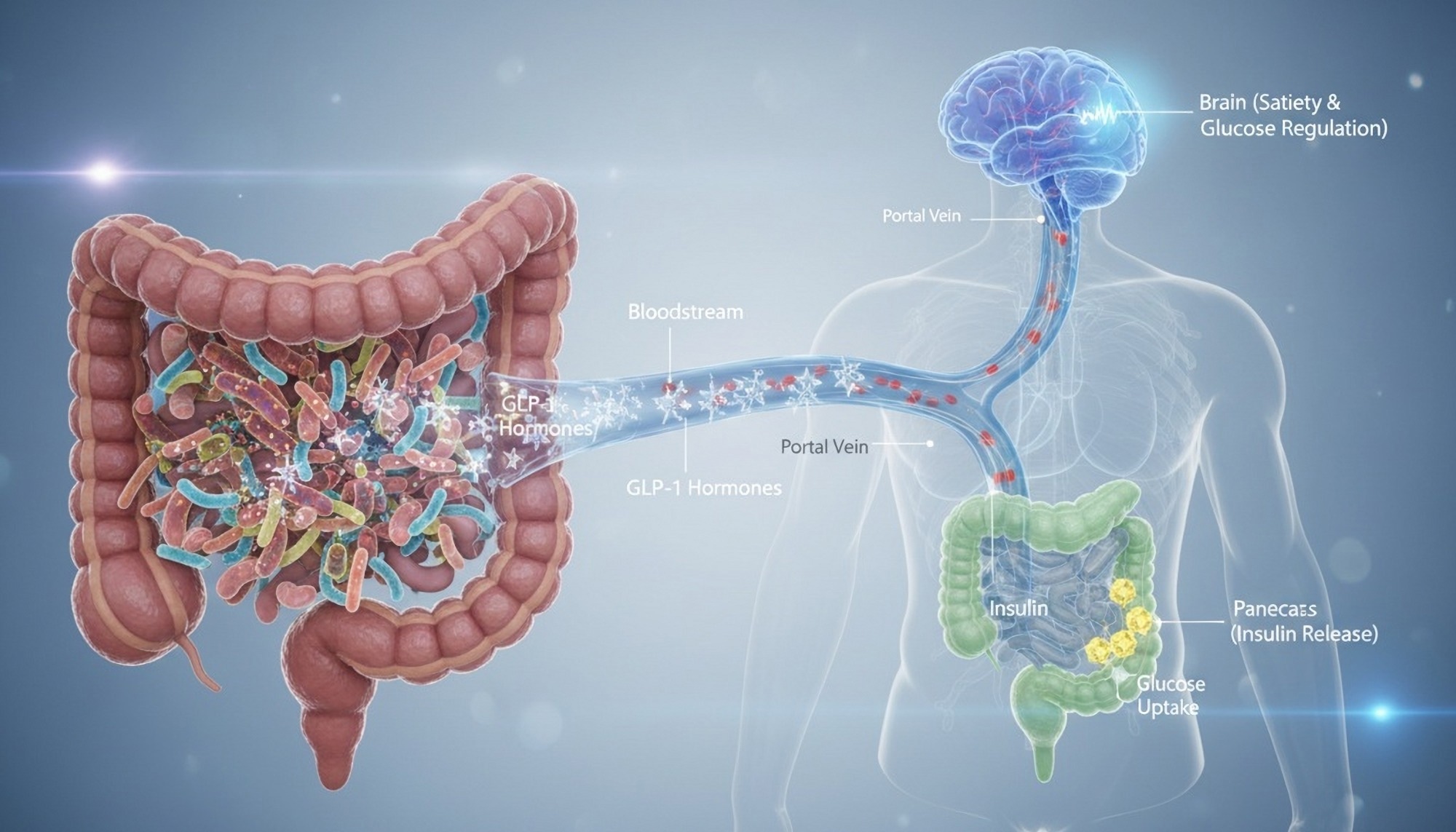 Image Credit: ShutterstockAI / Shutterstock.com
Introduction
Glucagon-like peptide-1 (GLP-1) receptor agonists (RAs) were initially designed to improve glycemic control in people with type 2 diabetes. Research now suggests that these drugs may also influence mood, reward processing, cognition, and processes implicated in neurodegenerative diseases.1
Beyond their expression throughout the gastrointestinal tract, GLP-1 receptors are distributed across brain regions involved in cognition, emotion, and reward, including the ventral tegmental area, nucleus accumbens, hippocampus, and prefrontal cortex.1 The ability and degree to which GLP-1 RAs can reach these central regions of the brain differ based on their structure and chemistry.
Preclinical models show that exendin-4, the peptide used as exenatide, can cross the blood-brain barrier (BBB). Findings for liraglutide are inconsistent, with some studies detecting brain entry and others finding no measurable influx. Liraglutide and semaglutide are chemically modified to prolong their action, and in some experimental models, their access across an intact BBB appears limited.2
In preclinical studies, semaglutide engages hypothalamic and hindbrain neurons through circumventricular organs that lack a complete barrier, such as the median eminence and area postrema. This observation suggests that GLP-1 RAs may affect neurological function without widespread passage across an intact BBB.1,2 Changes in human brain activity provide evidence of functional effects, but do not establish that a drug directly reaches every affected region.2
The brain also produces its own GLP-1 through preproglucagon neurons, particularly in the lower brainstem. Rodent evidence indicates that these neurons and peripheral GLP-1 pathways can suppress eating independently; therefore, the effects of administered drugs should be distinguished from the physiological functions of brain-derived GLP-1.5
Centrally, GLP-1 RAs act on brain regions that control appetite and adjust the release of neurotransmitters and peptides that regulate hunger and energy expenditure. Peripherally, these drugs improve glycemic control by increasing glucose-dependent insulin secretion, reducing glucagon release, slowing gastric emptying, and modulating gut hormone signaling, while also lowering triglycerides and low-density lipoprotein cholesterol.3
Effects on reward, motivation, and eating behavior
Preclinical studies indicate that activating GLP-1 receptors in the ventral tegmental area and nucleus accumbens can attenuate reward-related dopamine release, reducing food seeking and the reinforcing effects of several addictive substances.1 Reinforcement describes the process through which a rewarding effect increases the likelihood of repeating a behavior.1
A systematic review of 11 neuroimaging studies included 10 studies using food cues and one using alcohol cues. Some food-cue studies reported reductions in cue-related activity in regions including the insula, amygdala, and putamen, with mixed effects in the orbitofrontal cortex.4
The alcohol-cue study also identified changes in striatal activity, supporting investigation of reward-related effects beyond food. Nevertheless, brain imaging findings alone do not establish reduced substance use or treatment efficacy.4
GLP-1 RAs also appear to interact with satiety and hunger signaling from the gastrointestinal tract, hypothalamus, and brainstem. Thus, reduced food intake may reflect combined effects on physiological appetite regulation and reward-related motivation.3 Reduced food craving can occur without a marked reduction in the pleasure experienced while eating.1
Ozempic Quiets Your Appetite Using Your Brain | NOVA | PBS
Neuroprotective and cellular mechanisms
In cultured cells and rodent models, GLP-1 and its analogs protect hippocampal neurons from glutamate-induced injury, promote neurite outgrowth, and strengthen long-term potentiation, a persistent increase in synaptic strength associated with learning and memory.1 In mice, genetic loss of the GLP-1 receptor produces measurable learning deficits and heightened vulnerability to seizure-related neuronal injury, while restoring receptor expression in the hippocampus reverses these deficits.1
Experimental dual agonists that target both GLP-1 and glucose-dependent insulinotropic polypeptide (GIP) receptors have outperformed liraglutide in some transgenic Alzheimer's models, improving memory and synaptic function while reducing amyloid pathology and neuroinflammation.1 These results do not establish equivalent effects for all dual agonists or clinical benefit in humans.1
More broadly, GLP-1 RAs exhibit anti-inflammatory effects beyond glucose control, such as reducing adipose tissue inflammation and the chronic low-grade systemic inflammation associated with insulin resistance.3
Cognitive and emotional effects
The impact of GLP-1 signaling on emotional responses can vary with treatment duration and experimental conditions. In rodents, a single dose of exendin-4 or liraglutide can increase anxiety-like behavior. Repeated treatment for several weeks has reduced anxiety-like and depressive-like behaviors across several disease models, including diabetes and chronic stress paradigms.1
Human data on mood outcomes remain mixed, with some large cohort studies finding no difference in depression risk as compared to other diabetes medications. Other studies have reported a lower likelihood of depression and anxiety diagnoses among GLP-1 RA users.1 Differences in study populations, comparators, and follow-up complicate interpretation, and observational associations cannot establish causation.1
Functional imaging shows that circulating GLP-1 levels are associated with distinct patterns of hippocampal activation during memory encoding tasks in people with type 2 diabetes. In a separate randomized crossover study, exenatide increased cerebral glucose metabolism in regions involved in glucose regulation, even with lower circulating insulin levels.1 These observations support effects on brain function but do not by themselves demonstrate improved memory, emotional regulation, or a mechanism independent of all peripheral metabolic changes.1
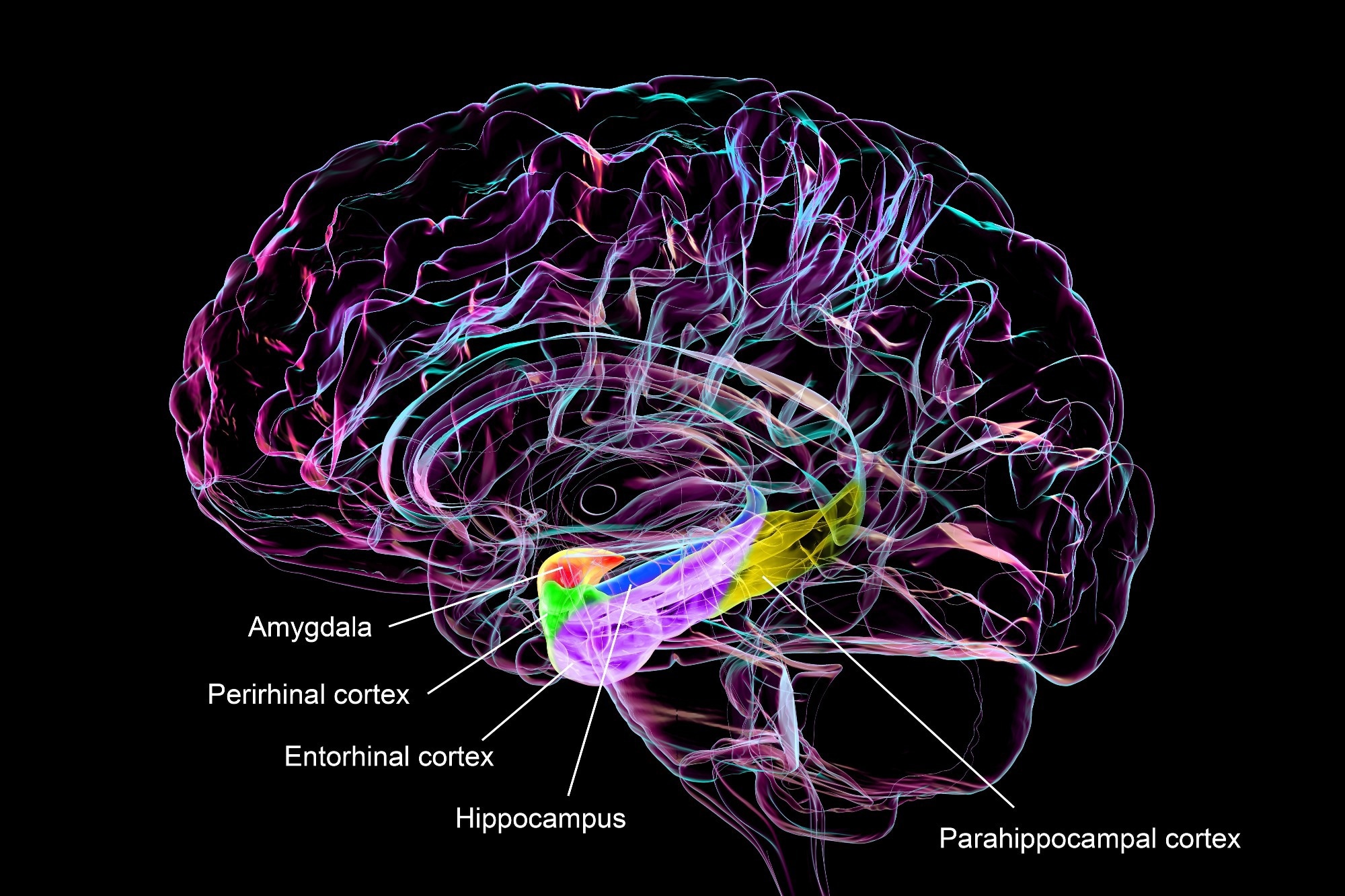 Image Credit: Kateryna Kon / Shutterstock.com
Links to neurodegenerative disease
Preclinical research and observational human studies have prompted investigation of GLP-1 RAs for conditions like Alzheimer's disease. Large-scale data indicate an association between GLP-1 RA use and reduced incidence of dementia compared with people with diabetes prescribed dipeptidyl peptidase-4 (DPP-4) inhibitors or sulfonylureas.
Early liraglutide trials have also reported slower brain atrophy or preservation of glucose metabolism; however, biomarker changes have not consistently corresponded to cognitive improvements.1 Furthermore, lower dementia incidence in observational studies does not establish that these drugs prevent dementia.1
The phase III EVOKE and EVOKE+ trials tested semaglutide in people with mild cognitive impairment or mild dementia associated with Alzheimer's pathology. Neither trial demonstrated slower cognitive decline with semaglutide than with placebo.1
In an earlier placebo-controlled trial of people with Parkinson's disease, exenatide use improved motor scores, with these benefits persisting after the drug was withdrawn, prompting further investigation of possible disease modification.2 A separate phase II trial tested lixisenatide, rather than liraglutide, and found that participants receiving lixisenatide had less progression of motor disability over 12 months and better motor scores after a two-month washout.2 Notably, persistence of a motor-score difference after withdrawal alone does not establish modification of the underlying disease.2
Effects on psychiatric and behavioral disorders
The effects of GLP-1 RAs on the reward processing mechanisms implicated in overeating have encouraged research into substance use disorders. A small semaglutide trial in alcohol use disorder reported reduced laboratory alcohol self-administration, fewer drinks per drinking day, and lower weekly cravings.1
After six months, exenatide reduced alcohol cue reactivity, though its benefit for heavy drinking was confined to an exploratory subgroup with obesity. Exenatide treatment did not significantly reduce heavy drinking days relative to placebo in the overall sample.4
In rodents, GLP-1 RAs have also been shown to reduce nicotine intake and relapse-like behavior, meaning renewed drug seeking after experimental abstinence, and limit the weight gain that often accompanies nicotine withdrawal.1 In a human pilot trial, exenatide combined with nicotine replacement therapy increased short-term abstinence, with reductions in craving and withdrawal symptoms reported among participants who achieved abstinence.
A separate trial found that adding dulaglutide to varenicline reduced post-cessation weight gain but provided no additional benefit for abstinence or craving.1 The evidence for limiting weight gain after smoking cessation is more consistent than the evidence for improving cessation itself.1
Evidence for cocaine and opioid use disorders remains predominantly preclinical, with limited human trial data and case reports. A small randomized trial found that a single low dose of exenatide did not reduce cocaine self-administration or its subjective effects; sustained treatment remains under investigation.1 Researchers hypothesize that potential benefits may reflect GLP-1 RAs' ability to modulate mesolimbic dopamine signaling, alongside other substance-specific pathways. Clinical efficacy for these disorders remains unestablished, and direct brain effects must be distinguished from benefits secondary to weight loss or improved metabolic health.1
References
- Gao, S. X., Décarie-Spain, L., Gu, C., et al. (2026). GLP-1 at the Metabolic-Cognitive Interface: Reward, Affect, and Memory. Comprehensive Physiology, 16(2), e70129. DOI: 10.1002/cph4.70129. https://onlinelibrary.wiley.com/doi/10.1002/cph4.70129
- West, J., Li, M., Wong, S., et al. (2025). Are Glucagon-Like Peptide-1 (GLP-1) Receptor Agonists Central Nervous System (CNS) Penetrant: A Narrative Review. Neurology and Therapy, 14(4), 1157–1166. DOI: 10.1007/s40120-025-00724-y. https://link.springer.com/article/10.1007/s40120-025-00724-y
- Moiz, A., Filion, K. B., Tsoukas, M. A., et al. (2025). Mechanisms of GLP-1 Receptor Agonist-Induced Weight Loss: A Review of Central and Peripheral Pathways in Appetite and Energy Regulation. The American Journal of Medicine, 138(6), 934–940. DOI: 10.1016/j.amjmed.2025.01.021. https://www.amjmed.com/article/S0002-9343(25)00059-2/fulltext
- Dang, V., Sambuco, N., Yammine, L., & Versace, F. (2026). Do GLP-1 Receptor Agonists Alter Brain Responses to Reward-Related Cues? A Systematic Review. bioRxiv: The preprint server for biology. DOI: 10.64898/2026.01.31.702984. https://www.biorxiv.org/content/10.64898/2026.01.31.702984v2
- Trapp, S., & Skoug, C. (2025). Brain-derived GLP-1: Understanding the physiological function and Anti-obesity Potential of Preproglucagon Neurons. Endocrinology, 166(12), bqaf169. DOI: 10.1210/endocr/bqaf169. https://academic.oup.com/endo/article/166/12/bqaf169/8321651.
Further Reading
Last Updated: Oct 22, 2026