When nearly half of a group of schoolchildren report back pain, how much of the problem can be attributed to the weight they carry on their shoulders?
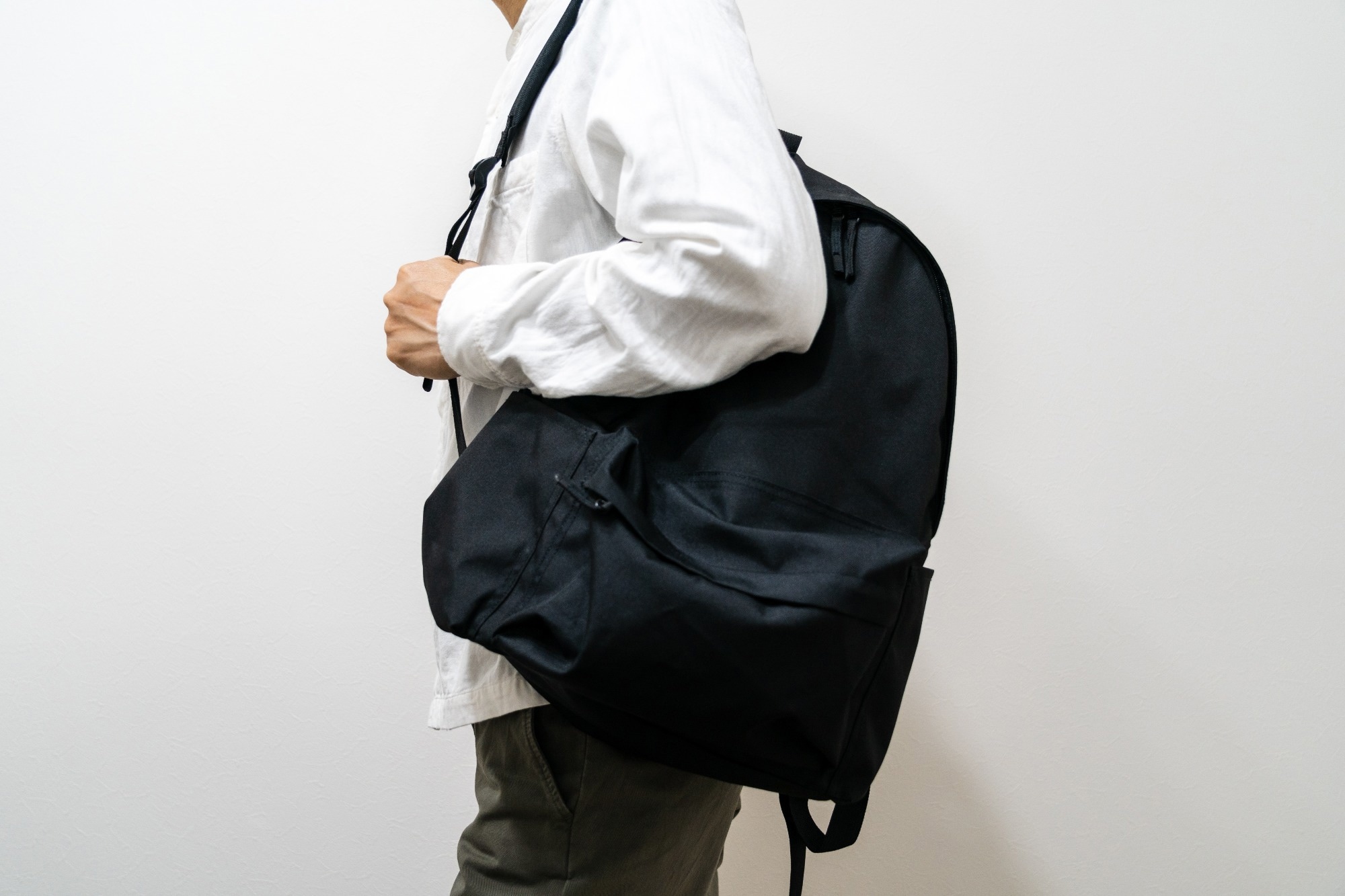
Study: School bag carriage in schoolchildren: relative load, carrying duration, perceived heaviness, and back pain. Image Credit: Yoshi.Yu / Shutterstock
In a recent study published in the journal Scientific Reports, researchers assessed the relationships among school bag load, perceived heaviness, anthropometric measures, and back pain in schoolchildren.
School bags are a regular physical burden for children, and concerns have emerged about their impact on the musculoskeletal system. Recommendations suggest that school bag weight should not exceed 10%–15% of body weight. Yet associations between school bag load and musculoskeletal symptoms remain inconsistent. Epidemiologic studies indicate that various physical, psychosocial, and behavioral factors influence back pain prevalence in schoolchildren.
About the study
In the present study, researchers examined the relationships among school bag load, perceived heaviness, anthropometrics, and back pain. Participants were students from grades 1–9 recruited from three schools in the South Moravian Region of the Czech Republic. The study excluded students with musculoskeletal disorders or neurological conditions affecting gait or posture. Body weight and height were measured, and body mass index (BMI) was calculated.
School bags were weighed with their contents on the assessment day, and relative load was estimated as the percentage of body weight. An interview was conducted to estimate carrying duration on a typical school day. Students rated the perceived heaviness of their school bags on a 0–4 Likert scale and reported whether they had experienced back pain within the past month. Spearman correlations were used to examine associations among relative load, anthropometric variables, perceived heaviness, and carrying duration.
In addition, simple linear regression was performed to explore associations between relative load and body weight, height, and BMI. A multiple linear regression model examined associations of relative load with age, sex, BMI, perceived heaviness, and carrying duration. Another adjusted model assessed perceived heaviness. Multivariable binary logistic regression was performed to assess whether age, BMI, sex, relative load, perceived heaviness, and carrying duration were associated with back pain.
A k-means cluster analysis was performed to identify descriptive student profiles based on log-transformed carrying duration, relative load, and BMI among 216 children with complete data. The chi-square test was used to examine the association between cluster membership and back pain status. The Kruskal-Wallis test was performed to evaluate differences in perceived heaviness across clusters.
Findings
The study enrolled 221 students (56.1% female) with a mean age of 9.48 years. Participants had an average body weight of 35.54 kg and a mean BMI of 17.57 kg/m². On average, the school bag weighed 4.87 kg, corresponding to a relative load of 14.49% of body weight. The mean carrying duration, reported by 216 children, was 37.25 minutes/day. The mean perceived heaviness was 1.05 on the 0–4 scale. Nearly half of the children (109; 49.3%) reported experiencing back pain in the past month. Pain severity and functional impact were not assessed.
Relative load was inversely associated with BMI, body weight, height, and age, while absolute bag weight was positively associated. Simple linear regression models revealed that BMI, body weight, and height were inversely associated with relative load. The strong BMI association partly reflects the use of body weight in both BMI and relative-load calculations and cannot establish an independent physiological effect. The multivariable linear regression model showed an inverse association between BMI and relative load; age, sex, perceived heaviness, and carrying duration were not statistically associated with relative load.
The separate adjusted model explained little of the variation in perceived heaviness, with carrying duration as its only statistically significant predictor. The researchers found no significant associations between relative load, carrying duration, sex, BMI, and perceived heaviness and back pain. Age was the only statistically significant predictor of back pain, but the overall regression model was not statistically significant, making this finding exploratory. Cluster analysis generated three student profiles. Cluster 1 had above-average BMI and below-average carrying duration and relative load. Cluster 2 was the largest group and was characterized by above-average relative load and below-average BMI and carrying duration.
Cluster 3 showed above-average carrying duration, below-average relative load, and near-average BMI. Back pain was reported most frequently in Cluster 3. Cluster membership was not significantly associated with back pain. Perceived heaviness varied significantly across clusters, with the highest mean rank in cluster 3, though specific cluster pairs were not tested.
Conclusions
In summary, the results show that relative load was inversely associated with body weight and BMI, while carrying duration, but not relative load, was weakly associated with perceived heaviness. Cluster analysis identified three descriptive student profiles with differing perceived heaviness ratings but no significant association with back pain. Further, sex, BMI, relative load, perceived heaviness, and carrying duration showed no statistically significant associations with back pain. The researchers recommend considering bag weight, carrying duration, and children’s perceptions together. The findings do not establish a safe bag-weight threshold or rule out smaller associations with pain.
The study's limitations include its cross-sectional design (which precludes causal inference), reliance on self-reported back pain information without details on intensity, duration, functional impact, or recurrence, self-reported carrying duration, and convenience sampling within a single region, which limits generalizability. The sample size may have restricted the detection of smaller associations, while the shared use of body weight complicates interpretation of BMI findings. Further longitudinal research with objective measures and more detailed assessment of musculoskeletal symptoms is needed to clarify the health implications of school bag carriage.
Source:
Journal reference:
- Daňková K, Kasović M, Višić G, Gimunová M, Vespalec T (2026). School bag carriage in schoolchildren: relative load, carrying duration, perceived heaviness, and back pain. Scientific Reports. DOI: 10.1038/s41598-026-76950-7, https://www.nature.com/articles/s41598-026-76950-7
 Earned Income Tax Credit expansion negatively affected child development outcomes