Used in traditional medicine for more than 2,000 years, black seed is attracting scientific interest for its effects on inflammation, metabolism, brain health, and cellular aging, but can these biological actions translate into longer, healthier lives?
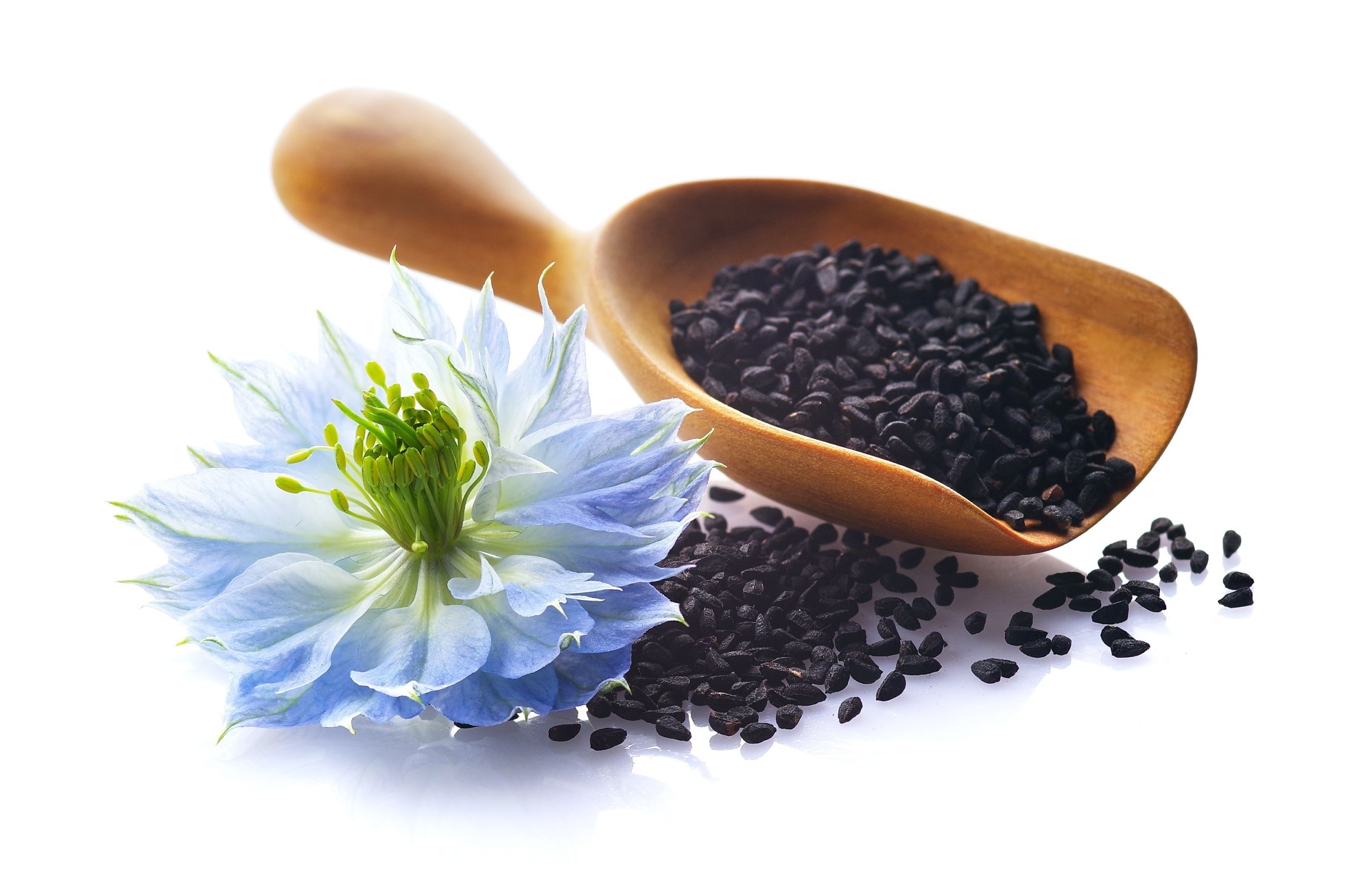
The Promise Between Ancient Wisdom and Modern Science for Nigella sativa as a Multimodal Agent in Healthspan Extension: A Narrative Review. Image Credit: Dionisvera / Shutterstock
A recent narrative review published in the journal Cureus summarized evidence on Nigella sativa, commonly known as black seed, regarding its potential role in aging. While black seed influences several aging-related biological processes, evidence that it extends human healthspan remains lacking.
Black seed has been used for over two millennia in traditional medicine, such as Ayurvedic, Greco-Arabic, and Islamic systems. These historical uses do not establish clinical efficacy. Its main bioactive compound, thymoquinone (TQ), appears to influence several biological pathways implicated in aging, with other constituents potentially contributing complementary effects. Contemporary longevity research is increasingly focusing on extending healthspan, the period of life spent in good health, rather than lifespan alone.
To examine the relationship between black seed and healthy aging, the author searched PubMed, Web of Science, and Scopus for studies on black seed, TQ, clinical outcomes, and aging-related mechanisms. The author reviewed animal and in vitro studies, systematic reviews, meta-analyses, and randomized controlled trials (RCTs). However, it must be noted that the author did not follow a systematic review protocol, perform an original quantitative synthesis, or formally assess risk of bias or certainty of evidence.
Black seed and aging processes
Oxidative damage increases with age and contributes to cellular senescence. The activity of the nuclear factor erythroid 2-related factor 2 (Nrf2) pathway, a major cellular defense that regulates antioxidant enzymes, decreases with age. Experimental evidence suggests that TQ activates Nrf2 by modifying Kelch-like ECH-associated protein 1 (Keap1), thereby promoting the expression of antioxidant genes. An RCT found that black seed oil supplementation improved antioxidant capacity in patients with type 2 diabetes (T2D).
A meta-analysis reported that black seed supplementation increased superoxide dismutase (SOD) activity, with no statistically significant changes in total antioxidant capacity or malondialdehyde levels. Chronic, low-grade inflammation occurring with aging is referred to as inflammaging. Early pharmacological studies showed that TQ and black seed oil can inhibit eicosanoid production in white blood cells, an upstream contributor to inflammation.
TQ can also inhibit the activation of nuclear factor kappa-light-chain-enhancer of activated B cells (NF-κB), a central regulator of inflammatory responses. A meta-analysis found a modest reduction in C-reactive protein (CRP) levels with black seed supplementation, with substantial variation between studies.
Metabolic and cardiovascular health are closely related to biological aging. Visceral obesity, dyslipidemia, hypertension, and insulin resistance increase cardiovascular risk and contribute to age-related decline.
Trials and meta-analyses report that black seed supplementation reduces total cholesterol, low-density lipoprotein cholesterol, fasting blood glucose, and glycated hemoglobin levels in people with T2D or prediabetes. Human studies also report modest reductions in blood pressure, body weight, waist circumference, and body mass index. The mechanisms underlying these effects may include increased nitric oxide availability, improved pancreatic β-cell function, and activation of AMP-activated protein kinase (AMPK).
In experimental models of Alzheimer's disease (AD), TQ demonstrated neuroprotective activity by reducing neuronal oxidative damage and amyloid-β (Aβ) burden while supporting cholinergic function.
According to the review, in a nine-week RCT involving 40 healthy adults, participants receiving black seed supplementation had lower anxiety and higher memory scores than those receiving placebo. Larger, longer clinical trials are needed to confirm these cognitive findings.
Senescent cells increase with age and secrete tissue-remodeling and inflammatory factors. Experimental evidence suggests that TQ may have partial senolytic (eliminating senescent cells) or senomorphic (modifying their activity) effects.
In cellular models, TQ appeared to selectively induce apoptosis in pre-senescent cells while sparing healthy proliferating cells, partly by suppressing anti-apoptotic B-cell lymphoma 2 family proteins. TQ has been found to suppress the release of components of the senescence-associated secretory phenotype (SASP), such as matrix metalloproteinase 3 and interleukins 6 and 8, by inhibiting NF-κB.
TQ may activate sirtuin 1 (SIRT1) and promote autophagic flux, potentially supporting the removal and recycling of damaged cellular components, according to preclinical studies. Much of the evidence supporting its effects on cellular senescence comes from cancer cell models, limiting its applicability to physiological aging.
Safety and limitations of black seed supplementation
Black seed supplementation appears generally well tolerated but may cause mild gastrointestinal symptoms and interact with anticoagulants, glucose-lowering drugs, and antihypertensives. The review also advises caution regarding supplementation during pregnancy.
Most clinical trials lasted only 8 to 16 weeks and assessed disease-related outcomes rather than biological aging. Human data on epigenetic age, telomere length, and senescent-cell burden remain lacking. Limited oral bioavailability and up to tenfold differences in TQ concentrations across commercial preparations complicate clinical research.
Concluding remarks
Black seed has a broad biological profile, with several of its effects relevant to aging-related processes: inflammation, neurodegeneration, oxidative stress, cellular senescence, and metabolic dysfunction. Compared with pharmacological agents that primarily target single pathways, TQ appears to act across biological systems, but generally with lower potency and less clinical evidence.
Black seed is a promising multi-modal candidate for healthspan research, not an established anti-aging therapy. Longer RCTs involving middle-aged adults, using standardized preparations with verified TQ concentrations and aging-specific outcomes, are needed to determine whether supplementation can extend human healthspan.
Source:
Journal reference:
 New brain mapping tool reveals how neurons independently calculate motion