Could targeting the gut microbiome help women navigate menopause? A three-month randomized trial reveals promising signs for sleep and mood, but modest overall benefits and mixed quality-of-life findings highlight the need for further research.
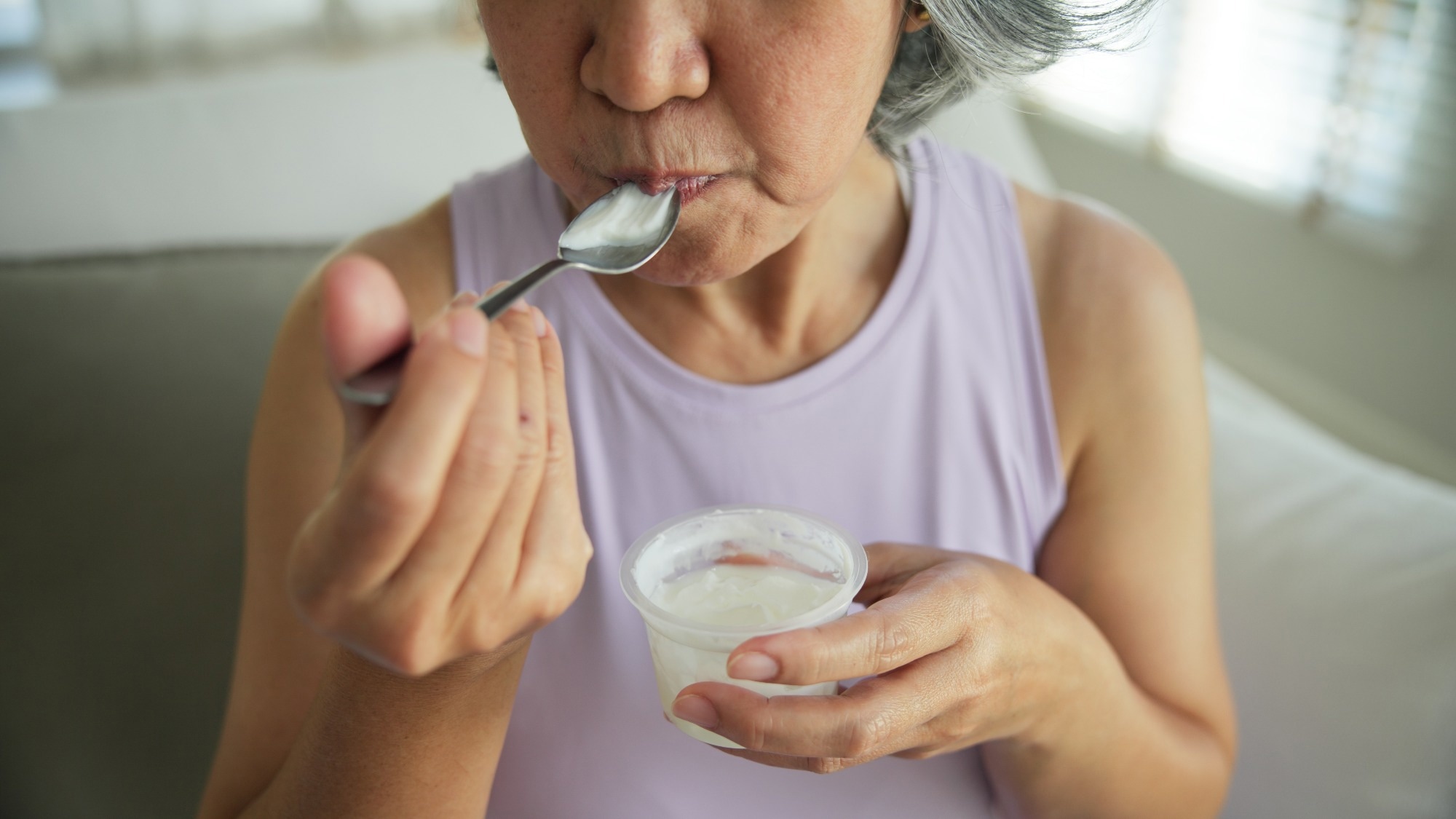 Study: Efficacy of a probiotic formula in the management of menopausal symptoms and quality of life: a randomized controlled trial. Image credit: Chay_Tee/Shutterstock.com
A three-strain probiotic formula taken daily for three months produced greater, though modest, improvements in menopausal symptoms compared to placebo among women in perimenopause or postmenopause, according to a trial involving 245 women published in the journal Menopause. Quality of life did not differ significantly on the primary measure, although a secondary measure favored the probiotic.
How gut bacteria may influence menopausal symptoms
Declining and fluctuating ovarian hormone levels during the menopause transition can trigger symptoms such as hot flashes, fatigue, joint and muscle discomfort, sleep disturbances, irritability, sexual dysfunction, and vaginal dryness.
According to the authors, menopausal symptoms affect more than 80% of women worldwide, last a median of seven years, and can persist for 15 years or longer, seriously impairing daily activity and quality of life.
Emerging evidence links menopause to changes in the gut microbiota, including reduced diversity and alterations in the estrobolome, a group of gut bacteria involved in estrogen metabolism.
In an earlier exploratory trial, the same formula used in the current study slowed the decline in blood estrogen levels over 12 weeks compared with placebo, although it did not significantly improve menopausal symptoms. The researchers therefore investigated its potential to alleviate symptoms and improve quality of life in a larger trial.
Testing the probiotic formula
This double-blind, placebo-controlled trial was conducted remotely in Spain using a real-world approach. It enrolled women aged 45 to 60 years who were perimenopausal or within five years of their last menstrual period.
Women were excluded if they had recently used hormone therapy, oral contraceptives, or systemic antibiotics, or regularly took other probiotics. Other food supplements, including those intended for menopause, were permitted as long as their use remained stable.
A total of 245 women were randomly assigned in a 2:1 ratio to receive one capsule daily containing either the probiotic (160 women) or a placebo (85 women). The probiotic provided a combined daily dose of 1 billion colony-forming units of Levilactobacillus brevis KABP052, Lactiplantibacillus plantarum KABP051, and Pediococcus acidilactici KABP021. All participants were also offered five live educational sessions on menopause.
To evaluate the effectiveness of the intervention, researchers tracked changes in menopausal symptoms and quality of life using the Menopause Rating Scale II (MRS II) and the Cervantes scale, respectively. Secondary outcomes included individual symptom domains, the Utian Quality of Life (UQOL) total score, and digestive tolerance.
Modest symptom relief, but no added benefit for hot flashes
Although symptom scores improved significantly in both groups, women taking the probiotic experienced a greater reduction in total MRS II scores. However, the difference between groups was just one point on the 44-point scale, indicating a modest additional benefit.
The benefits were most evident in the somato-vegetative domain, which encompasses physical symptoms. Among individual symptoms, the probiotic offered significantly greater relief from heart discomfort, sleep problems, and depressive mood. Interestingly, it offered no significant additional relief from hot flashes, despite these affecting about 87% of participants before the trial.
The findings for psychological symptoms were less consistent, with significantly greater improvements observed only among women who completed the study and met adherence requirements. Meanwhile, no significant differences emerged in urogenital symptoms.
While the overall symptom benefit remained significant in separate exploratory analyses accounting for menopausal stage and excluding women taking menopause-targeted supplements, the authors caution that the study was not designed to evaluate individual symptoms, and these findings require further confirmation.
Mixed findings for quality of life
The probiotic's effects on quality of life were less clear-cut. Although both groups reported improvements on the Cervantes scale, only its health subdomain showed a significantly greater improvement with the probiotic.
A more encouraging picture emerged from the UQOL assessment, with scores rising from 67.51 to 70.49 in the probiotic group while remaining essentially unchanged with placebo. The between-group difference of 2.21 points was statistically significant.
The authors suggest that these contrasting findings may reflect differences in what the questionnaires capture. While the Cervantes scale covers aspects such as sexuality and partner relationships, which may be less responsive to short-term interventions, the UQOL scale incorporates occupational and socioemotional dimensions of well-being.
Beyond quality of life, the probiotic offered no significant additional benefit for vaginal or digestive symptoms. The formula also appeared to be well tolerated over the three-month trial, with similar rates of reported health events in both groups and no serious adverse events reported.
How might gut bacteria influence menopausal symptoms?
The authors propose that the formula may act partly through an enzyme, beta-glucuronidase, that influences estrogen metabolism by facilitating the reabsorption of estrogens from the gut. Other bacterial activities affecting gut and mental health may also contribute, including the production of acetate, a short-chain fatty acid involved in immune regulation, and GABA, a neurotransmitter implicated in gut-brain communication.
However, these mechanisms were not tested directly, since the trial collected no blood or gut microbiota samples.
Promising findings require further confirmation
Although the researchers argue that the real-world design may make the findings more reflective of everyday use, the substantial improvement in the placebo group highlights the modest additional benefit of the probiotic and raises questions about its clinical significance.
Several limitations also warrant caution. The study relied on self-reported symptoms, adherence, and supplement use, and it did not control participants' diets. Recruitment fell short of the planned target of 300 women, potentially reducing statistical power, and multiple secondary comparisons without a reported statistical adjustment increase the possibility of chance findings. The predominantly White study population also limits the generalizability of the results.
The trial was funded by AB-Biotics, part of Kaneka Corporation, with several authors employed by the company or a contract research organization it hired. One author also reported receiving honoraria from the company.
Despite these limitations, the authors consider the formula a potential nonhormonal option for managing menopausal symptoms. However, larger, independent trials are needed to confirm its clinical benefits, clarify the underlying mechanisms, and establish whether the improvements persist without compromising safety over longer periods.
 AI-powered virtual reality could help women manage menopause symptoms