Can swapping a beef burger for a plant-based alternative change more than one meal? Researchers examine the nutritional trade-offs and eating habits that could shape what happens next.
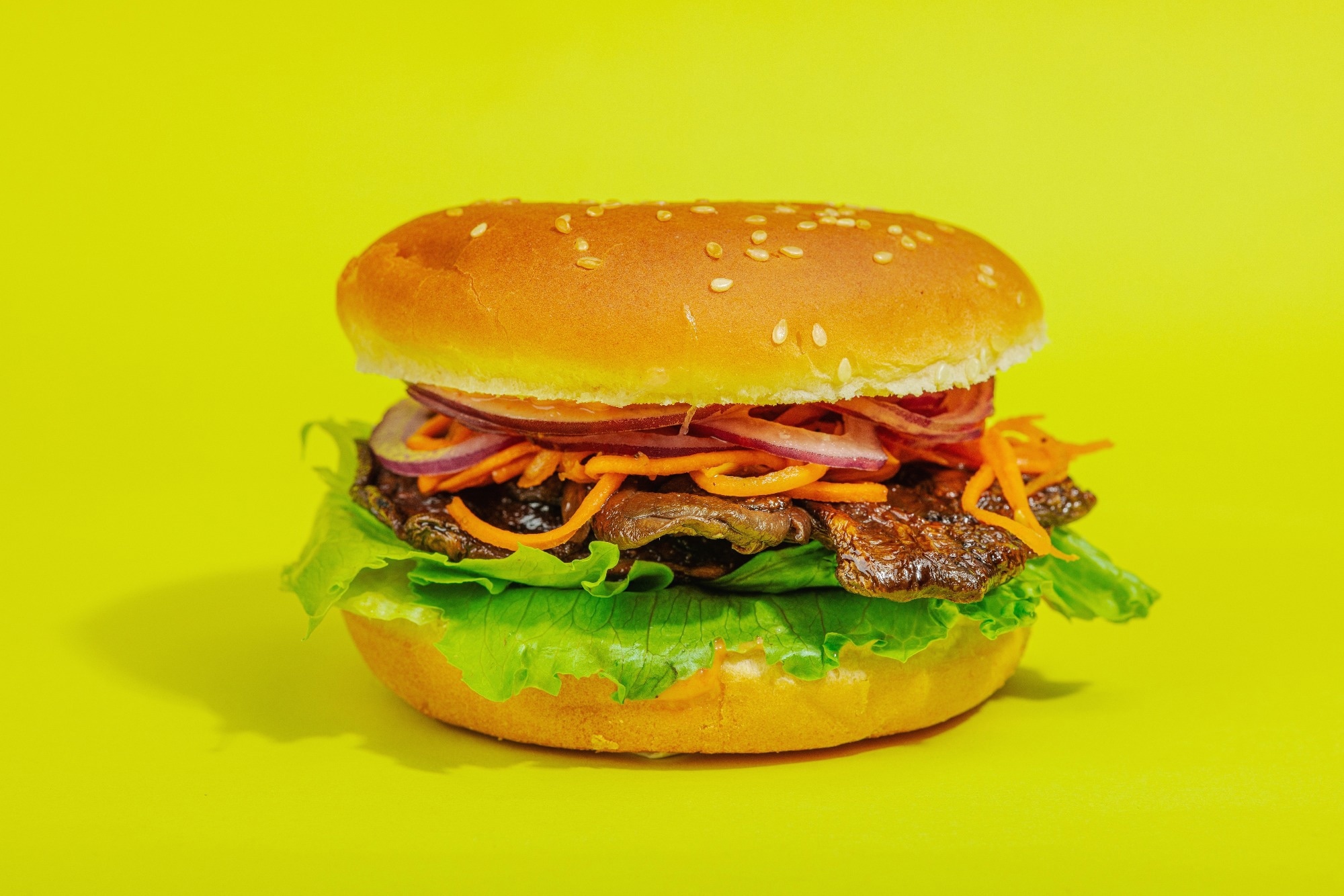
Study: Ultraprocessed Plant-Based Foods: Considerations for Nutrition Educators. Image Credit: Fuzull Hanum / Shutterstock
Is a plant-based burger a healthier option than a beef patty? In a recent perspective article published in the Journal of Nutrition Education and Behavior, researchers at the University of California, Irvine, explored whether ultra-processed plant-based foods could serve as dietary stepping stones toward healthier dietary patterns.
Plant-based diets
Ultra-processed foods (UPFs) constitute a large part of the Western diet and are associated with cardiovascular disease, metabolic syndrome, and cancer. Plant-based diets, which center on plant foods and limit or exclude animal products, are linked to lower risks of heart disease, metabolic conditions, and cancer. They are also associated with improved blood sugar control and lower low-density lipoprotein (LDL) cholesterol levels.
With growing interest, the market for plant-based alternatives is expanding. These products are made mostly from plant ingredients and imitate the taste and texture of meat, dairy, and eggs. While traditional alternatives such as tempeh and tofu undergo relatively limited processing, many plant-based burgers and milk substitutes undergo extensive industrial processing. But evidence of the health effects of ultra-processed plant-based foods is mixed.
About the perspective
In the current perspective, the researchers considered whether ultra-processed plant-based foods could serve as a “gateway food” or stepping stone toward healthier, whole-food plant-based diets. They drew on existing research to offer guidance for nutrition educators who counsel people about plant-based eating.
The authors outlined obstacles identified in published literature that can discourage people from adopting plant-based diets. These included cost, limited store availability in some areas, social pressure, cultural traditions, unfamiliar foods, and worries about protein and nutrient intake.
They also described plant-based alternatives, including relatively lightly processed products such as seitan, tofu, and tempeh, as well as heavily processed fish, egg, cheese, milk, and meat substitutes. The paper also outlines the NOVA classification system, which places foods into four groups based on processing.
The authors drew on findings from systematic reviews, randomized controlled trials, and cohort studies on UPF intake and health outcomes. The researchers described differences between healthy and unhealthy plant-based diets and considered substitution effects, which refer to the health consequences of replacing one food with another. They also examined published comparisons of the nutrient content of plant-based products with that of animal-based counterparts, including protein levels and added vitamins and minerals.
To assess the proposed role of plant-based UPFs as a gateway to broader plant-based eating, they cited indirect evidence from surveys and dietary studies in several countries. They also reviewed evidence on food additives such as emulsifiers, colorants, and thickeners, as well as cooking programs used to support dietary change. The researchers noted that additives differ in their functions and safety profiles.
The researchers applied the Transtheoretical Model, which outlines five stages of behavior change, to illustrate how educators could use plant-based alternatives at each stage. For example, educators might introduce a lentil-based patty alongside a familiar plant-based burger, then encourage meals built around whole plant foods. They also offered practical recommendations on product choice, cultural fit, and food access. The paper did not test the proposed approach.
What the evidence suggests
Plant-based alternatives may help people move toward plant-based eating, though their health value depended on nutrient composition, processing level, and what they replaced in the diet. The researchers cautioned that processing classifications alone do not establish nutritional quality.
UPFs, including animal-based and plant-based products, already supply about half or more of the calorie intake in the United States (U.S.) and United Kingdom (U.K.), and consumption had risen sharply in Brazil, China, and South Korea. Higher intake of UPFs was associated with cancer, metabolic syndrome, and heart and blood vessel disease, and one cited study found that the association with cardiovascular disease remained statistically significant even after accounting for salt, saturated fat, sugar, and fiber. Plant-based diets rich in whole foods were associated with lower disease risk, while diets heavy in refined grains, sugary items, and fried foods were associated with higher risk.
Replacing red meat with a plant-based substitute may have different health consequences from replacing minimally processed foods with the same product. In some trials, swapping meat for plant-based meat lowered LDL cholesterol and body weight, but other cardiovascular risk factors, inflammation markers, and blood sugar control did not consistently improve. Whether these changes lead to fewer cardiovascular events remains uncertain. In one cited product comparison, plant-based ground meat alternatives contained a median of 12.6 grams of protein per 3-ounce serving, versus roughly 21 to 22 grams for beef. Soy milk came closest to cow's milk for protein, and many plant milks were fortified with calcium and vitamins.
Evidence that these products acted as gateway foods was indirect. Among Polish adults, occasional users of plant-based meat substitutes were more likely to plan to eat more plant foods overall. In the U.K., people who ate little meat consumed more plant-based meat alternatives than heavy meat eaters. These associations do not establish that substitutes cause lasting dietary changes. Direct evidence remains scarce, and movement toward whole foods is not automatic. The authors cautioned that relying on convenient substitutes could discourage some people from learning to prepare whole plant foods.
Cost and availability also shaped the authors’ recommendations. For people with limited budgets or restricted access to supermarkets, affordable staples such as beans, lentils, and frozen vegetables may be more realistic options than expensive plant-based meat substitutes. The authors advised comparing sodium, saturated fat, added sugars, fiber, and micronutrients across products rather than judging them by processing category alone.
Conclusions
Overall, the authors proposed that plant-based alternatives could serve as transitional tools toward healthier plant-based eating, especially when they replaced red and processed meats. Yet their nutritional profiles differ from those of whole, minimally processed plant foods, which are the foundation of a healthy plant-based diet. Educators were advised to weigh cost, cultural practices, and individual circumstances when guiding clients, and to avoid treating any product as good or bad. Longer-term research is needed to clarify the health effects of specific alternatives and whether they support lasting dietary change.
Source:
Journal reference:
 New mRNA therapy reawakens heart muscle cells to repair damage